Every Relationship in the Band Was Ending — and Fleetwood Mac Recorded *Rumours* Anyway
A divorce, a break-up and a failing marriage — and five people who kept turning up to work and singing backing vocals on each other's accusations.
CONFIRMED / ADMITTEDCentral claim classification. Reported and disputed material is labelled in the text.
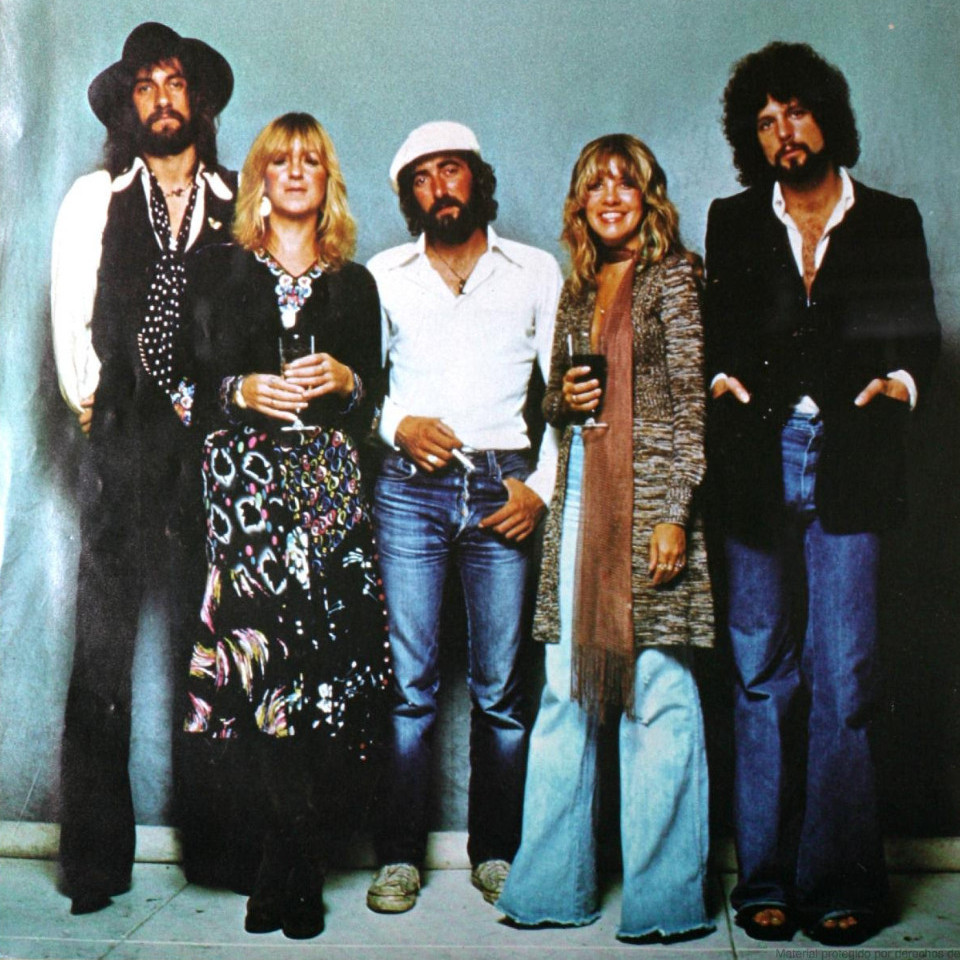 Warner Bros. Records / Public domain
The facts, briefly
A band went into a studio in Sausalito in February 1976 with two couples inside it. By the time they came out, both couples had separated, a third member's marriage was disintegrating, and every one of them had written a song about somebody else in the room. They then had to sing on each other's songs, night after night, and take them on tour for a year.
The album was Rumours, released on 4 February 1977. It won the Grammy for Album of the Year and became one of the best-selling records ever made. None of the drama around it is embellishment or fan legend: the participants have described it, in their own words, for nearly fifty years.
Who was breaking up with whom
John and Christine McVie, married since 1968, were divorcing — and were the band's bassist and keyboard player, standing a few feet apart every day. Lindsey Buckingham and Stevie Nicks, together since before they joined the band in 1975, were ending an eight-year relationship. Mick Fleetwood, the drummer, was going through the collapse of his own marriage. Five people, three simultaneous separations, one studio, and a record contract.
What makes it more than a curiosity is that the material is not disguised. Buckingham's 'Go Your Own Way' is addressed to Nicks. Nicks's 'Dreams' is the reply. Christine McVie's 'Don't Stop' is written to the man playing bass on the track. They all knew, while recording, exactly who each song was about.
Chronology of the record
1968
John and Christine McVie marry. She joins Fleetwood Mac as a full member in 1970.
December 1974
Buckingham and Nicks join Fleetwood Mac as a couple, after Fleetwood hears their duo album.
July 1975
The self-titled album Fleetwood Mac is released. It eventually reaches number one in the United States.
February 1976
Sessions for Rumours begin at the Record Plant in Sausalito, California. Both couples separate during this period.
4 February 1977
Rumours is released.
June 1977
'Dreams' reaches number one in the United States — the band's only US number-one single.
23 February 1978
Rumours wins the Grammy Award for Album of the Year.
October 1979
Tusk is released — a deliberately uncommercial double album made by the same line-up.
1998
Fleetwood Mac is inducted into the Rock & Roll Hall of Fame.
2018
Rumours is added to the Library of Congress National Recording Registry.
April 2018
Buckingham departs the band; he later files suit and the matter is settled out of court.
September 2020
'Dreams' re-enters charts worldwide after a viral skateboarding video on TikTok — forty-three years after release.
30 November 2022
Christine McVie dies, aged 79.
On the record
- CONFIRMED: 'Go Your Own Way' and 'Dreams' were written by two people ending a relationship with each other, and each sang on the other's song. Both have said so on the record, repeatedly, for decades.
- CONFIRMED: 'Don't Stop' was written by Christine McVie about John McVie during their divorce.
- CONFIRMED: Christine McVie said publicly that 'You Make Loving Fun' was about a relationship with the band's lighting director — and that she initially told her husband the song was about a dog.
- CONFIRMED: Rumours won Album of the Year at the 1978 Grammy Awards and remains one of the highest-certified albums in RIAA history.
- CONFIRMED: Mick Fleetwood and Stevie Nicks have both stated publicly that they had a relationship after the Rumours sessions, and that it ended badly. Neither has ever disputed the other's account.
- PUBLIC RECORD: Buckingham's 2018 departure produced a lawsuit that was settled without any public findings.
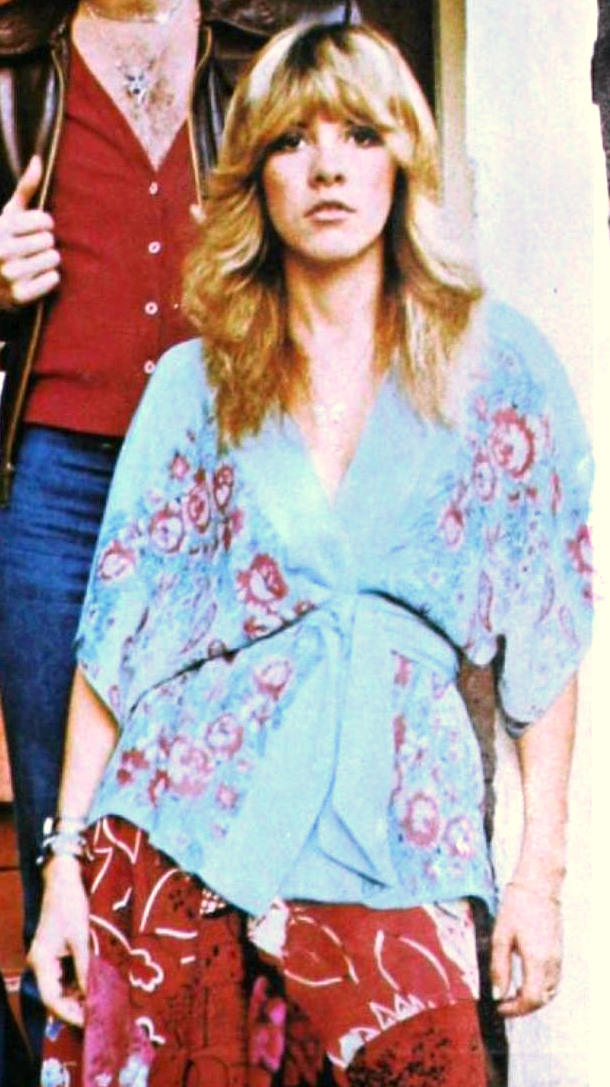
Quoted, not paraphrased
“Lindsey is saying, 'Go ahead and go, but you'll never get away from me.' And I'm singing about him.”
The band's own explanation for why nobody walked out has been consistent across every account: the album was working. They had, by their own description, a professional agreement not to discuss the personal situations during sessions — and a set of songs that were doing exactly that on their behalf.
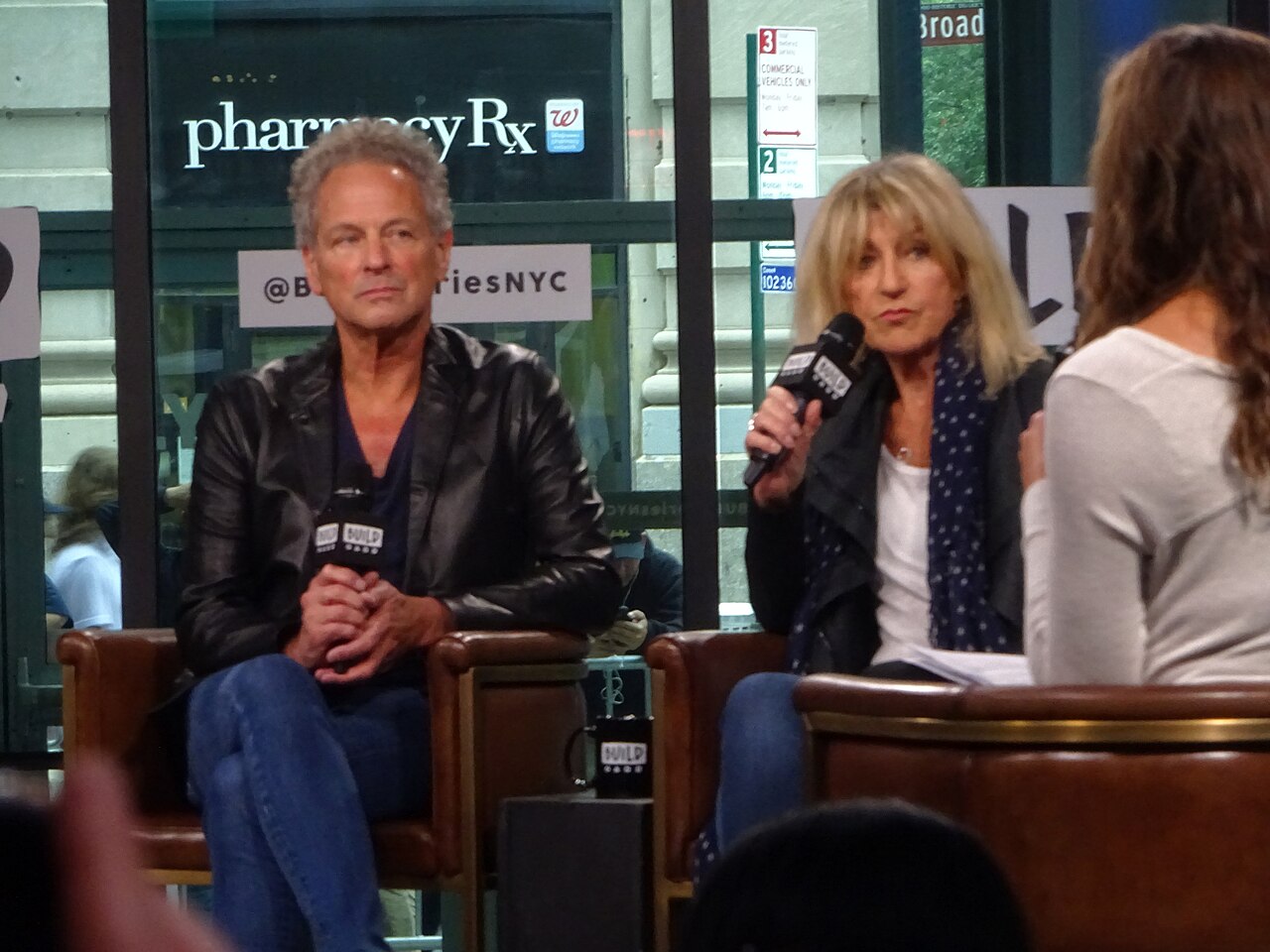
How the record was actually made
The sessions at the Record Plant ran for roughly a year across several studios, with the band living largely nocturnally and recording in long, overlapping shifts. The practical consequence of the separations was that the two couples could not always be in the same room, so parts were built up separately and assembled — a working method that gave the album its layered, almost obsessively finished sound.
The other consequence was editorial. Every member was writing about the situation, which meant the album had a single subject without anyone planning one. Eleven songs by three different writers all describe the same twelve months from different sides of it. That is why the record holds together as an argument, not just as a collection.
The songs, and who they are addressed to
 Continue reading · What happened next?From a Paris Dressing Room to the Reunion Announcement — The Gallagher TimelineOasis ended backstage at a French festival on 22 August 2009, minutes before the band were due on stage. The brothers argued in public for fifteen years — then posted the identical announcement on the same morning.
- CONFIRMED: 'Go Your Own Way' — Lindsey Buckingham, about Stevie Nicks. Nicks sings on it, and has objected publicly to one line in it for decades.
- CONFIRMED: 'Dreams' — Stevie Nicks, about Lindsey Buckingham. Written in an adjacent studio during the same sessions, by her own account.
- CONFIRMED: 'Don't Stop' — Christine McVie, about John McVie, written during their divorce, with him playing bass on the recording.
- CONFIRMED: 'You Make Loving Fun' — Christine McVie, about a new relationship, by her own on-record account.
- CONFIRMED: 'The Chain' — the only track credited to all five members, assembled from separate pieces of unfinished material.
Unresolved
The circumstances of Buckingham's 2018 exit are genuinely contested. He described being dismissed from the band; other members described a disagreement about touring plans. The lawsuit settled with no public findings, so no version has been established, and this article does not adopt one. Reported, not confirmed.
A second common claim — that the album's title came from the band members writing 'rumours' about each other — is a paraphrase of something John McVie said about the songs being gossip set to music. It is broadly attributed but not a documented statement of intent, and it is flagged here as REPORTED.
There is also a straightforward commercial fact underneath the mythology. Rumours has been certified for tens of millions of units in the United States alone and has never gone out of print in nearly fifty years. Whatever the sessions cost the five people who made it, the record has outsold almost everything released alongside it.
How it ended
They toured Rumours for a year while the separations were still raw, then made Tusk with the same five people. The line-up fractured and reformed repeatedly over the following four decades, and the album kept selling through every one of those cycles — including a global chart re-entry in 2020, triggered by a stranger on a skateboard drinking cranberry juice.
Why the album outsold everything around it
Rumours spent 31 weeks at number one in the United States and has been certified twenty times platinum there by the Recording Industry Association of America. It won the Grammy for Album of the Year in 1978. Those are the two facts most often cited, and both are verifiable from the certifying bodies rather than from press estimates.
What the numbers do not explain is the album's second life. Rumours has re-entered national charts repeatedly across five decades — after anniversary reissues, after television placements, and in 2020 after a single viral video soundtracked by Dreams pushed the song back into the US top twenty, forty-three years after its release. Dreams remains the band's only US number-one single, and it was written by Stevie Nicks in about ten minutes in a studio side room while the marriages around her were ending.
The reason the record keeps returning is structural, not sentimental. Five people wrote about each other in the same room, and the arrangements make the address obvious: the person being sung to is usually playing on the track. Very little popular music is built that way, because very few bands survive the conditions required to make it.
Where things stand now
Christine McVie died in 2022. Stevie Nicks continues to tour as a solo artist and has said publicly that the band cannot continue in its classic form without McVie. Mick Fleetwood, John McVie and Lindsey Buckingham are all still working musicians. The five of them never again recorded an album together in the Rumours line-up after 1987.
Buckingham's departure in 2018 was itself disputed in public: the band described it as a parting of ways, Buckingham described it as a dismissal, and he later filed suit before the matter was settled privately. Forgotten Frame records that as a DISPUTED account with a settled outcome and no public findings — the same standard applied to everything else in this story.
Image record & sources
- Photographer
- Warner Bros. Records
- Date made
- 25 June 1977
- Collection
- Billboard, 25 June 1977 (via Wikimedia Commons)
- Licence
- Public domain
- Attribution
- Warner Bros. Records publicity photograph, Billboard, 25 June 1977. Public domain (published in the US without a copyright notice).
- File checked
- Licence page for this exact file — verified 30 August 2026
References
- The Recording Academy — Grammy Awards database (Album of the Year, 1978)
- RIAA — Gold & Platinum certification database (Rumours)
- Rock & Roll Hall of Fame — Fleetwood Mac inductee record (1998)
- Library of Congress — National Recording Registry (Rumours, added 2018)
- Official Charts Company — Fleetwood Mac chart history
- Billboard chart archive, 1977–1978
Continue on these topics
Tags
About the author
Forgotten Frame Editorial Desk
Editorial team
The Forgotten Frame editorial desk researches photographic archives, checks the licence of every individual file we publish, and writes the verified context around each picture.