Part ofThe Hollywood Breakup FilesHollywood's Biggest Feuds
Both Couples in ABBA Divorced — and They Carried On Recording Anyway
Björn and Agnetha announced their separation in January 1979. Benny and Frida married in 1978 and were finished by 1981. ABBA kept working through both, and the records show it.
PUBLIC RECORDCentral claim classification. Reported and disputed material is labelled in the text.
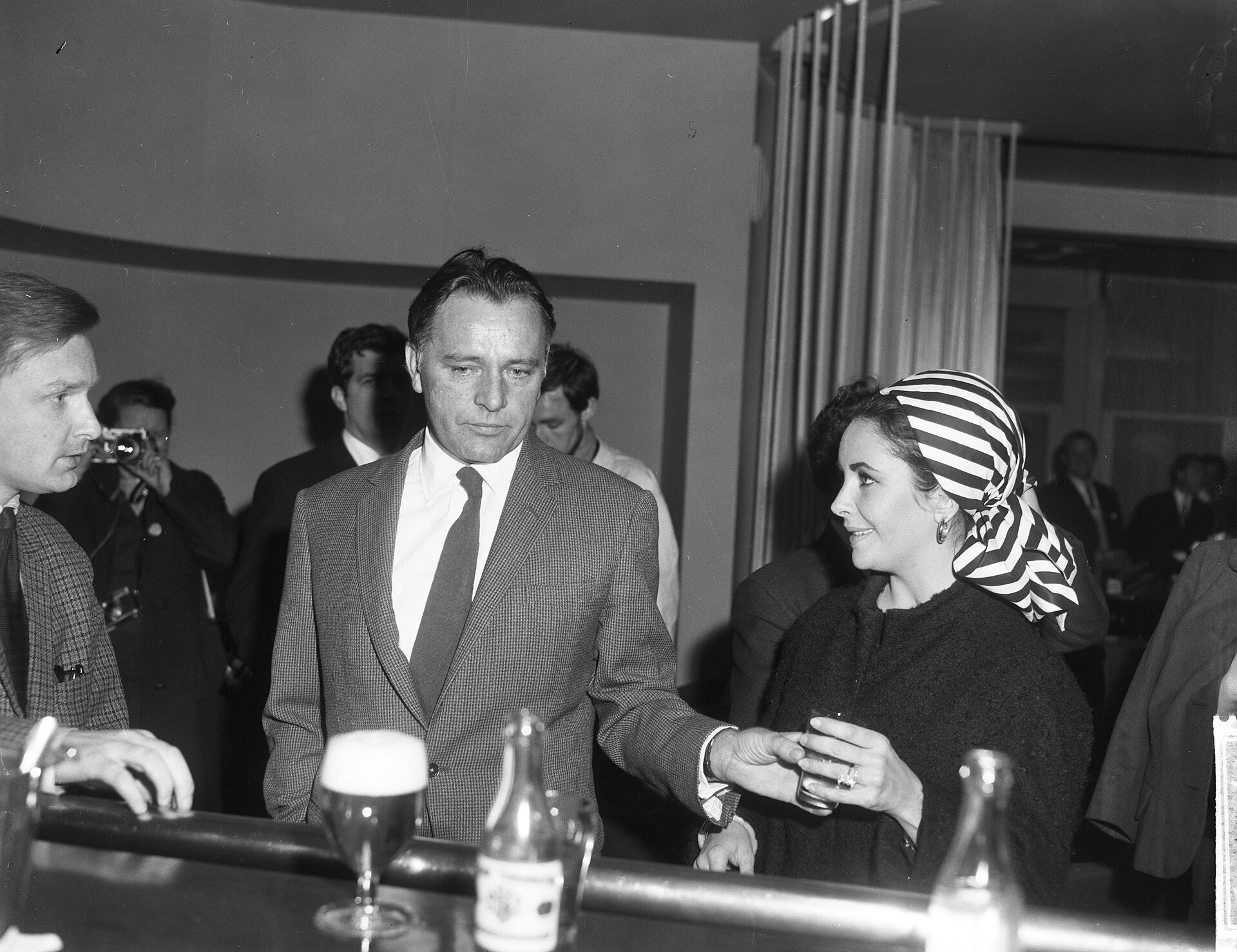
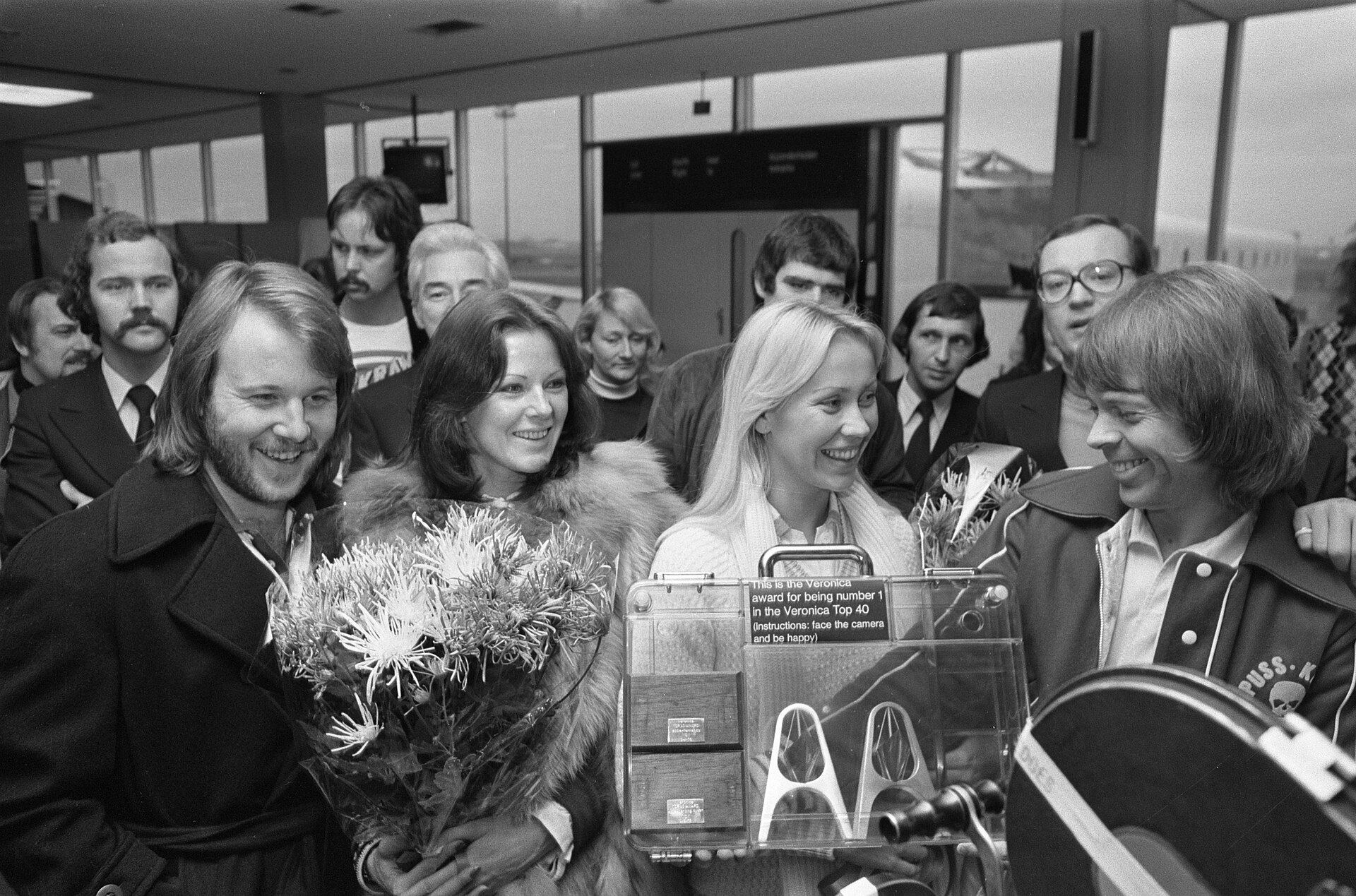 Bert Verhoeff for Anefo / CC0 1.0 (public domain dedication)
The documented account
ABBA is the only group of its size whose entire membership was, at the start, two married couples. That fact is usually filed as trivia. It is closer to being the group's structure: the four of them shared a company, a producer's chair, a touring schedule and two households, and when the households ended the other three things did not.
The band did not split when the marriages did. Between the first separation and the last album there are two more studio records, a world tour and the single that is now the group's most covered song. This is what the record shows, and what it does not.
Chronology of the record
6 July 1971
Björn Ulvaeus and Agnetha Fältskog marry in Verum, Sweden.
6 April 1974
ABBA win the Eurovision Song Contest in Brighton with 'Waterloo'. Andersson and Lyngstad are a couple; Ulvaeus and Fältskog are married.
1976–1977
'Dancing Queen', 'Knowing Me, Knowing You' and 'The Name of the Game' are released. The group tours Europe and Australia.
6 October 1978
Benny Andersson and Anni-Frid Lyngstad marry, after nine years together.
January 1979
Ulvaeus and Fältskog announce that they are separating. The group states publicly that it will continue.
1979
Voulez-Vous is released and the group tours North America and Europe — with both members of the separated couple on stage.
July 1980
'The Winner Takes It All' is released, written by Ulvaeus and Andersson and sung by Fältskog. It reaches number one in the UK.
November 1981
Andersson and Lyngstad separate; their divorce follows. The Visitors, the group's final studio album of the era, is released the same month.
December 1982
The last recording sessions of the original run. The group never formally announces a break-up.
5 November 2021
Voyage, the first new ABBA album in forty years, is released by all four members.
27 May 2022
The ABBA Voyage concert residency opens in London, using digitally rendered performers.
What can be verified
- PUBLIC RECORD: Ulvaeus and Fältskog married in 1971 and announced their separation in January 1979.
- PUBLIC RECORD: Andersson and Lyngstad married in October 1978 and separated in November 1981.
- CONFIRMED: the group continued to record and tour after the first separation, including the 1979 world tour.
- CONFIRMED: 'The Winner Takes It All' was written by Ulvaeus and Andersson and sung by Fältskog, after the Ulvaeus–Fältskog separation.
- PUBLIC RECORD: the group never issued a break-up statement; it stopped recording after 1982 and reunited on record in 2021.
The song everybody assumes is a diary entry
'The Winner Takes It All' is one of the most autobiographically read songs in pop, and Ulvaeus has spent forty years gently declining the reading. His consistent public account is that the song is about a divorce rather than his divorce, that the situation it describes — one person walking away with everything — did not match what happened between him and Fältskog, and that the emotional material was real even where the events were not. Fältskog has said in interviews that the song was difficult to sing and that she considers it among the group's best.
Forgotten Frame records the biographical reading as REPORTED, not confirmed. What is confirmed is far stranger than the rumour: a man wrote a song about the end of a marriage and handed it to the woman he had been married to, and she recorded the definitive vocal in one afternoon of studio time, with her ex-husband in the room.
What each of them said
“We had decided that the group would go on. We were friends, and we were four people who worked well together.”
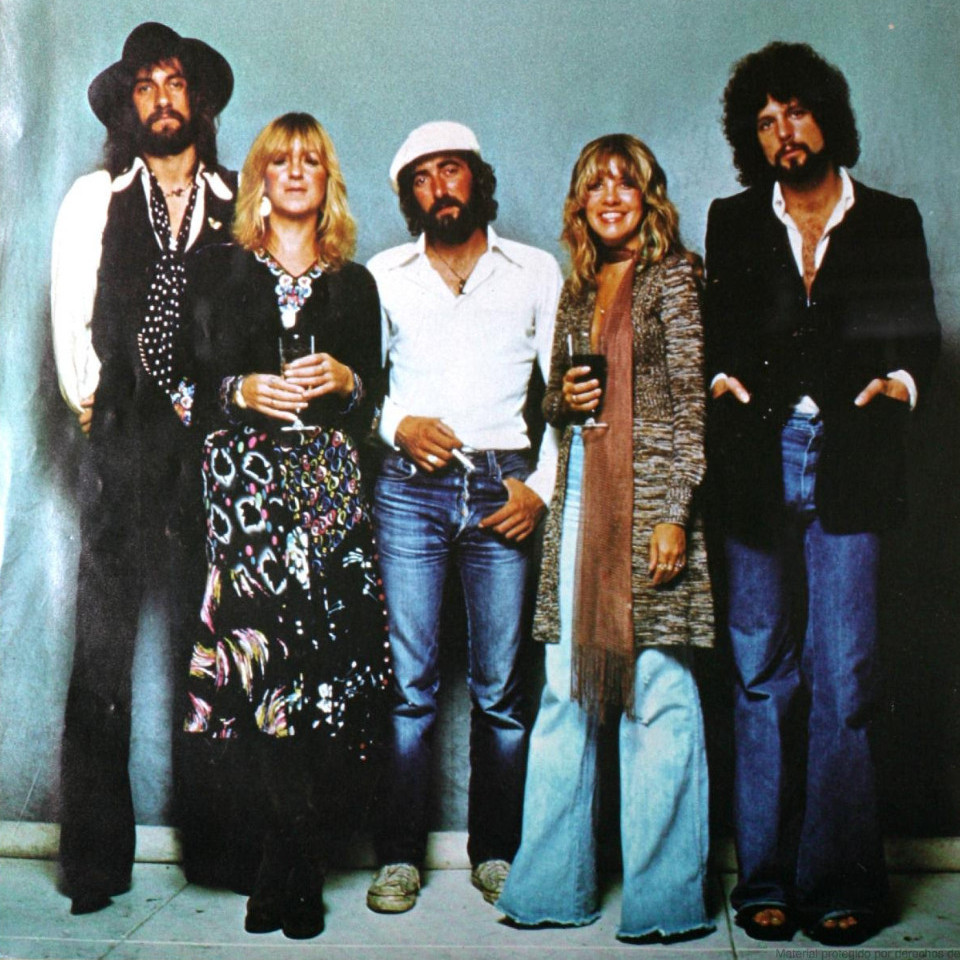 Continue reading · What happened next?Every Relationship in the Band Was Ending — and Fleetwood Mac Recorded *Rumours* AnywayTwo couples separated inside one studio while a third marriage collapsed outside it. Nobody quit. The songs are addressed, by name, to the people standing on the other side of the glass.
None of the four has ever publicly blamed another for either divorce. That restraint is unusual enough to be worth stating plainly: across five decades and several thousand interviews, no member of ABBA has given an on-the-record account attacking any other member.
Afterwards
Fältskog and Lyngstad both released solo albums in the 1980s and largely withdrew from public performance. Andersson and Ulvaeus went on to write Chess with Tim Rice and, later, the stage and film versions of Mamma Mia!, which returned ABBA's catalogue to a new generation. Lyngstad has lived largely in Switzerland since the 1980s.
In 2018 the four announced they had recorded new material together. Voyage followed in 2021 and sold in numbers the group had not seen since the 1970s. The London residency that opened in 2022 has run continuously since. Two divorces, one company, and no break-up statement — the paperwork on this group is unusually tidy.
Why the group survived the first divorce
Two structural facts explain what looks, from outside, like superhuman professionalism. The first is that ABBA was not a band in the usual sense. Andersson and Ulvaeus wrote and produced; Fältskog and Lyngstad sang. The studio was Polar Music's own, in Stockholm, and the group did very little live work compared with their contemporaries — one world tour in 1977, another in 1979, and almost nothing else. Four people who see each other in a control room for a few weeks a year can absorb a great deal that a band on a tour bus cannot.
The second is that the business was Swedish and jointly owned. Polar Music, run by their manager Stig Anderson, held the recordings; the four members had interests in the company and in the publishing. Walking away in 1979 would have meant unwinding all of it at the point of maximum earnings. Neither couple chose to. What the group did instead was keep working and let the records absorb the change — which is why the 1979 and 1981 albums sound so unlike the 1976 ones.
What changed in the music
The shift is audible and is not a matter of interpretation. Arrival and ABBA (1975–76) are almost entirely major-key pop with a Wall-of-Sound density. Super Trouper (1980) and The Visitors (1981) are slower, colder, heavier on synthesiser and minor keys, and lyrically preoccupied with distance, surveillance and endings. 'The Day Before You Came', recorded in 1982 and the last thing the four of them cut together in that era, is six minutes of a woman narrating an ordinary day in the past tense. It was not a hit at the time and is now among the group's most admired recordings.
Critics who dismissed ABBA in the 1970s as a hit factory generally revise the verdict at exactly this point in the catalogue. Elvis Costello and Pete Townshend both publicly praised the later material; the songs have since been recorded by artists as unlike the original as Sinéad O'Connor and the Corrs. Whether the divorces produced the change is not something the record can settle. Whether the change happened is not in doubt.
Image record & sources
- Photographer
- Bert Verhoeff for Anefo
- Date made
- 19 November 1976
- Collection
- Nationaal Archief (Netherlands) via Wikimedia Commons
- Licence
- CC0 1.0 (public domain dedication)
- Attribution
- Bert Verhoeff / Anefo, Nationaal Archief. CC0, via Wikimedia Commons.
- File checked
- Licence page for this exact file — verified 30 August 2026
References
Continue on these topics
Tags
About the author
Forgotten Frame Editorial Desk
Editorial team
The Forgotten Frame editorial desk researches photographic archives, checks the licence of every individual file we publish, and writes the verified context around each picture.