Part ofThe Hollywood Breakup FilesWhere Are They Now?
Elizabeth Taylor and Richard Burton: The Love Affair That Became a Legend — What Happened Next?
They met making Cleopatra, married in 1964, divorced in 1974, remarried in Botswana in 1975 and divorced again in 1976. The dates are a matter of record; the legend around them is not.
PUBLIC RECORDCentral claim classification. Reported and disputed material is labelled in the text.
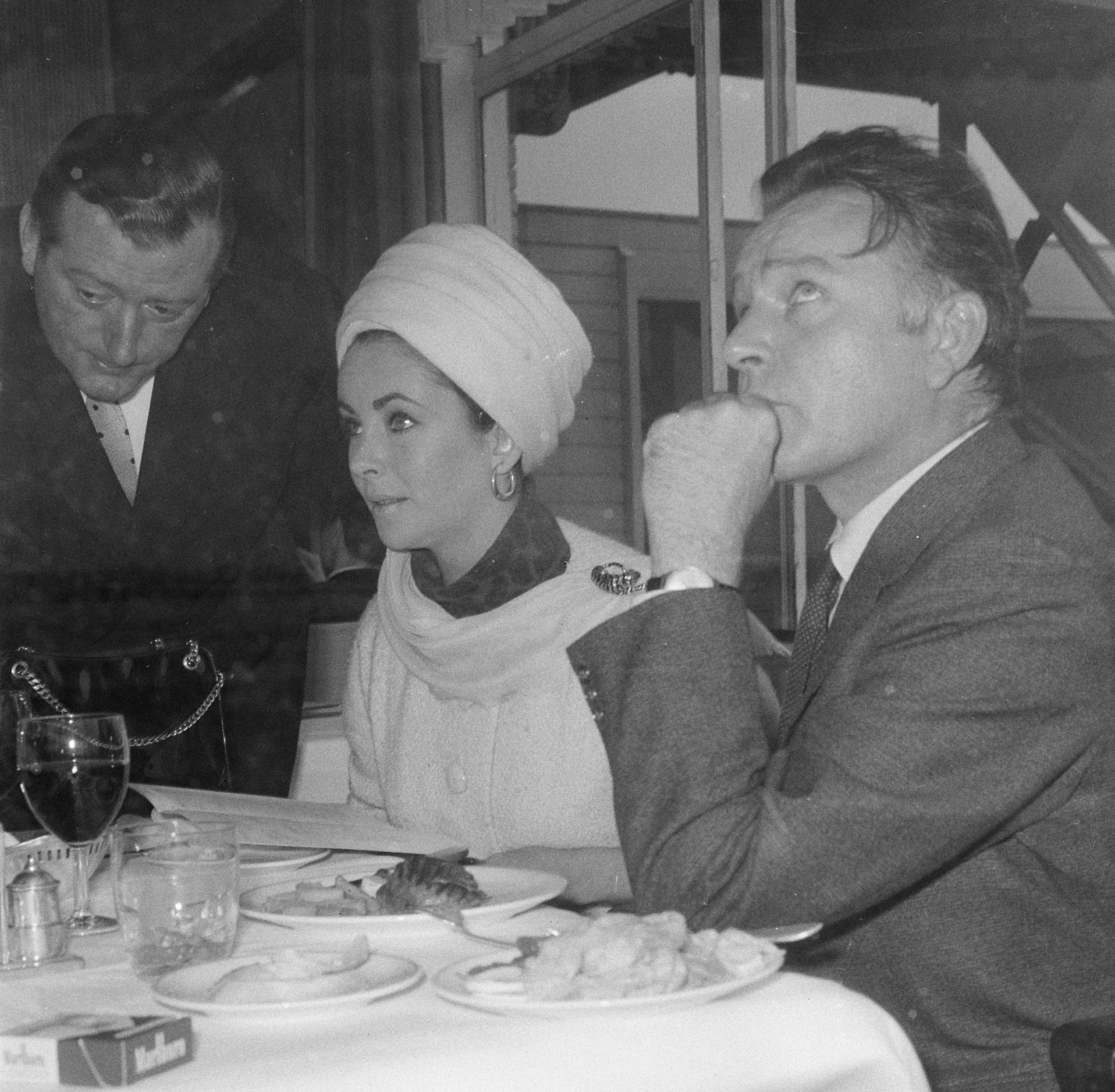
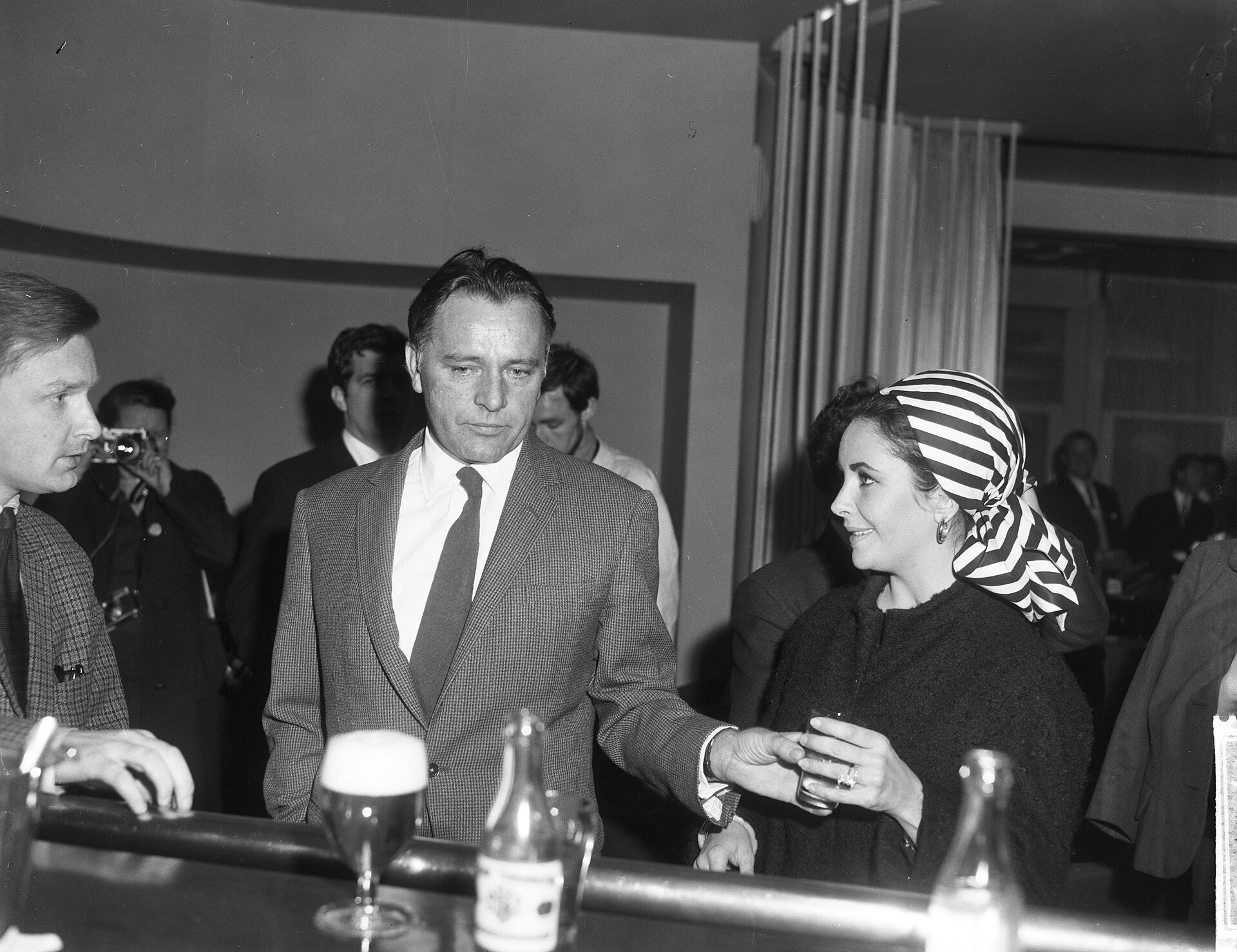 Joop van Bilsen for Anefo / CC0 1.0 Universal (public domain dedication)
What actually happened
Elizabeth Taylor and Richard Burton met properly in Rome in 1962, on the set of Cleopatra. Both were married to other people, and the relationship became a public scandal months before either divorce was final. They married in March 1964, divorced in June 1974, remarried in Botswana in October 1975, and divorced for the second time in July 1976. They never married a third time. They went on working together, writing to each other, and appearing together in public until Burton's death in 1984.
The Affair That Took Over Hollywood
Cleopatra was already the most expensive film ever attempted when Burton joined it as Mark Antony. Twentieth Century-Fox had scrapped an entire London shoot, restarted the production in Rome, and paid Taylor a fee — one million dollars — that was itself news. Whatever the studio expected to sell, what it got was a romance between its two leads that ran on the front pages of newspapers on both sides of the Atlantic for the better part of two years.
Taylor was then married to the singer Eddie Fisher; Burton to the Welsh actress Sybil Williams. Neither marriage survived the film. The reaction was not merely gossip-page disapproval: in 1962 a weekly linked to the Vatican published an open letter attacking the couple, and the phrase most often quoted from it — a condemnation of what it called erotic vagrancy — has followed the story ever since. It is worth being precise about what that was. It was an unsigned article in a Church-adjacent publication, not a formal statement of the Holy See.
By the time Cleopatra opened in June 1963, the affair had become the film's principal marketing asset. The picture eventually recouped its budget; the relationship became the more durable production.
Verified timeline
September 1961
Cleopatra restarts in Rome after the abandoned London shoot. Taylor plays Cleopatra; Richard Burton is cast as Mark Antony.
1962
The relationship becomes public while Taylor is married to Eddie Fisher and Burton to Sybil Williams. A Vatican-linked weekly publishes an open letter condemning the couple.
12 June 1963
Cleopatra is released. It is the year's highest-grossing film in the United States and the most expensive production made to that date.
5 March 1964
Taylor's divorce from Eddie Fisher is finalised.
15 March 1964
Taylor and Burton marry in Montreal — her fifth marriage, his second.
1966
Who's Afraid of Virginia Woolf? is released. Taylor wins her second Academy Award for Best Actress; Burton is nominated and does not win.
1968–1969
Burton buys the 33-carat Krupp Diamond, then the 69-carat pear-shaped stone that becomes known as the Taylor-Burton Diamond.
26 June 1974
The first divorce is granted in Switzerland, after ten years of marriage.
10 October 1975
They remarry in Kasane, Botswana, near the Chobe river — sixteen months after the divorce.
29 July 1976
The second divorce is granted. Burton marries Suzy Miller weeks later; Taylor marries John Warner in December.
May 1983
They open together on Broadway in Noël Coward's Private Lives — their last professional collaboration.
5 August 1984
Burton dies of a cerebral haemorrhage in Céligny, Switzerland, aged 58.
23 March 2011
Taylor dies in Los Angeles, aged 79.
What Is Confirmed
- PUBLIC RECORD: two marriages (15 March 1964, 10 October 1975) and two divorces (26 June 1974, 29 July 1976), documented at the time in civil records and reported contemporaneously.
- CONFIRMED: they appeared together in eleven films, beginning with Cleopatra (1963) and The V.I.P.s (1963), and ending with the television film Divorce His, Divorce Hers (1973).
- CONFIRMED: Taylor won the Academy Award for Best Actress for Who's Afraid of Virginia Woolf? (1966). Burton was nominated seven times across his career and never won a competitive Oscar.
- CONFIRMED: the jewellery Burton bought her — including the Krupp and the Taylor-Burton diamonds — was catalogued with its provenance and sold by Christie's in December 2011.
- CONFIRMED: Burton kept diaries for much of his life. They were edited by Chris Williams and published by Yale University Press in 2012, and are the closest thing to a primary source on the marriage from his side.
- REPORTED, NOT OFFICIAL: the 'erotic vagrancy' condemnation came from an unsigned open letter in a Vatican-linked weekly in 1962, not from a papal pronouncement.
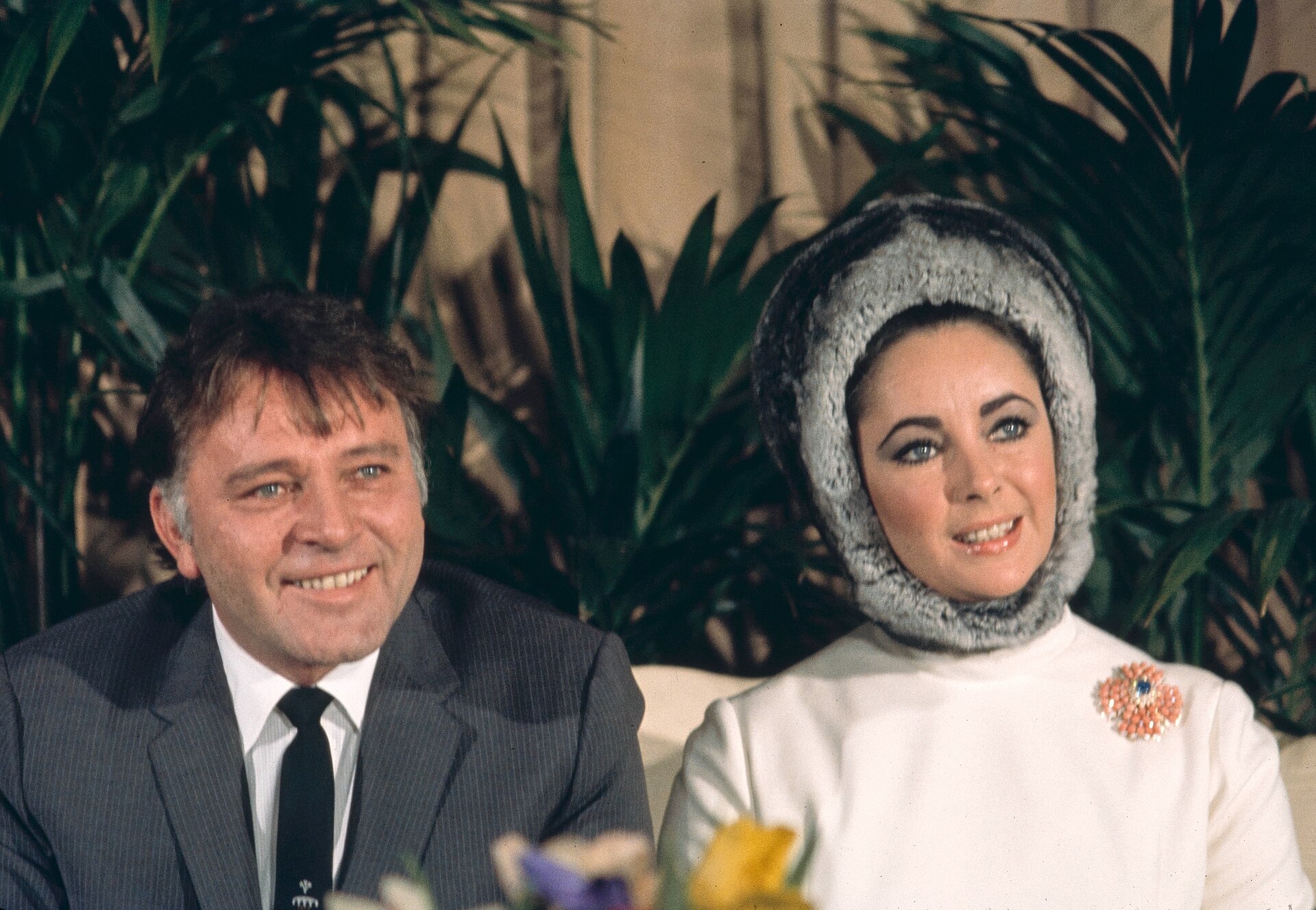
The Two Marriages
The first marriage lasted ten years and coincided almost exactly with the most productive stretch of both careers. They worked constantly and travelled with an entourage, a yacht and, at one point, a private jet; the tax arrangements that came with living nowhere in particular were themselves a subject of reporting. Between 1964 and 1974 they made most of the eleven films, including The Taming of the Shrew (1967) and Who's Afraid of Virginia Woolf?, the film that gave Taylor the performance she was most consistently praised for.
The second marriage lasted nine months. It began in a game reserve in Botswana in October 1975, with a district commissioner officiating, and ended with a divorce granted in Haiti in July 1976. Both remarried other people within months: Burton to the model Suzy Miller, Taylor to the Virginia politician John Warner, whom she would help elect to the United States Senate.
Why They Divorced
No single documented cause explains the 1974 divorce, and anyone who offers one is guessing. What is on the record is narrower and more useful. Burton wrote extensively about his drinking, and his own diaries — published in full in 2012 — record long periods of heavy alcohol use and the damage he believed it did to his work and his marriage. Both parties spoke publicly about the strain of a relationship conducted almost entirely in front of photographers.
The couple issued a statement at the time of the first separation; beyond that, the reasons given in later biographies are reconstruction, not documentation. Forgotten Frame does not present reconstruction as fact.
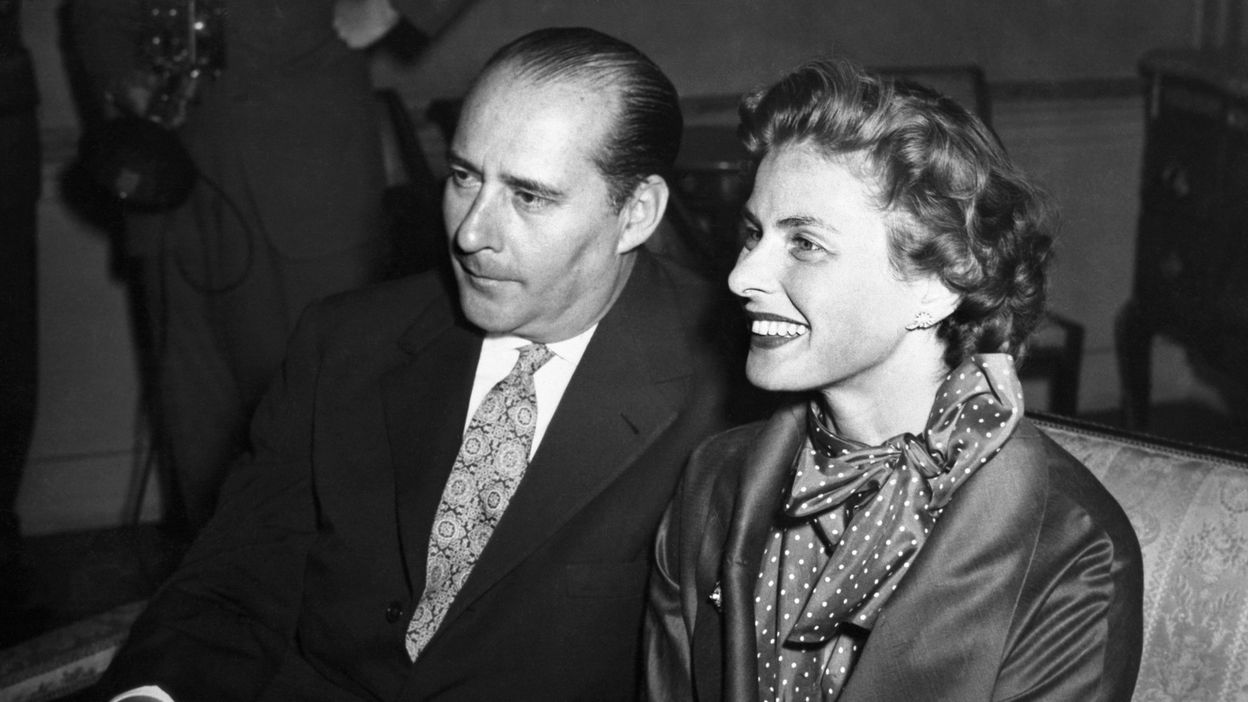 Continue reading · What happened next?She Was Denounced on the Floor of the US Senate — Then Came Back and Won an OscarIn 1950 a sitting United States senator stood up and called a film star a threat to the nation. Twenty-two years later, another senator apologised for it in the same chamber.
They Tried Again
The remarriage in Botswana in October 1975 is the part of the story that most often gets compressed into a single line, and it deserves more. Taylor was in southern Africa; Burton flew out; the ceremony took place at Kasane on the Chobe river, witnessed by a small group rather than the press pack that had followed every earlier appearance. It was, by both of their later accounts, an attempt to restart something they had not managed to end cleanly.
It did not hold. The second divorce came nine months later. What is striking, reading the record rather than the legend, is how quickly both of them moved on formally — and how completely neither of them let go informally.
What Each of Them Said, Publicly Documented
Burton's own writing is the most reliable source on his side of the relationship, precisely because it was not written for publication. The diaries record both the intensity and the exhaustion. Taylor spoke about him for the remaining twenty-seven years of her life, in interviews and in her introduction to published collections of his letters.
“I might run from her for a thousand years and she is still my baby child. Our love is so furious that we burn each other out.”
Taylor's account of the end is the one detail of the story that is entirely hers: she said that the last letter Burton wrote her arrived days before he died in August 1984, and that she kept it by her bed for the rest of her life. She repeated this over decades and it was never contradicted by the Burton estate — but it rests on her testimony alone, and we label it as such.
What Happened Next?
The second divorce did not end the working relationship. In 1983 they opened together on Broadway in Noël Coward's Private Lives, a play about a divorced couple who cannot stay apart. The reviews were mixed; the box office was not, and it was driven almost entirely by an audience that wanted to see the marriage rather than the play. It was their last collaboration.
Burton died on 5 August 1984 in Céligny, Switzerland, of a cerebral haemorrhage. He was 58. Taylor did not attend the funeral in Wales, on the family's request that it remain a private occasion; she visited the grave afterwards. She outlived him by twenty-seven years and died in Los Angeles on 23 March 2011, aged 79.
Legacy
Taylor's last decades were defined less by film than by the AIDS crisis. She co-founded amfAR in 1985, after the death of her friend Rock Hudson, and established the Elizabeth Taylor AIDS Foundation in 1991; the foundation still operates. The 2011 Christie's sale of her jewellery, much of it bought by Burton, raised sums that remain records for a private collection and left an unusually complete paper trail of the marriage's material history.
Burton's legacy runs through the archive rather than the box office: seven Academy Award nominations without a win, a body of stage work that his contemporaries rated above his films, and the diaries, which have since become the standard primary source for anyone writing about either of them.
The reason this particular love story survived every Hollywood marriage that came after it is not the scandal. It is the documentation. Two marriages, two divorces, eleven films, a shelf of letters and a published diary — very few celebrity relationships of the twentieth century left behind this much verifiable material, and almost none of them need embellishment.
Image record & sources
- Photographer
- Joop van Bilsen for Anefo
- Date made
- 25 April 1965
- Collection
- Nationaal Archief (Dutch National Archives), Anefo photo collection
- Licence
- CC0 1.0 Universal (public domain dedication)
- Attribution
- Joop van Bilsen / Anefo, Nationaal Archief. CC0 1.0.
- File checked
- Licence page for this exact file — verified 30 August 2026
References
- Encyclopædia Britannica — Elizabeth Taylor
- Encyclopædia Britannica — Richard Burton
- Library of Congress — Bernard Gotfryd photograph collection (Burton and Taylor, 1971)
- Nationaal Archief / Anefo — the 1965 and 1971 press photographs used here (CC0)
- Academy of Motion Picture Arts and Sciences — Awards Database (Taylor, Burton)
- British Film Institute — Richard Burton
- Yale University Press — The Richard Burton Diaries, ed. Chris Williams (2012)
- Christie's — The Collection of Elizabeth Taylor (jewellery provenance, 2011)
- The Elizabeth Taylor AIDS Foundation — history
Continue on these topics
Tags
About the author
Forgotten Frame Editorial Desk
Editorial team
The Forgotten Frame editorial desk researches photographic archives, checks the licence of every individual file we publish, and writes the verified context around each picture.