She Was Denounced on the Floor of the US Senate — Then Came Back and Won an Oscar
The most severe punishment Hollywood ever handed a leading actress for a private relationship — and the documented rehabilitation that followed.
PUBLIC RECORDCentral claim classification. Reported and disputed material is labelled in the text.
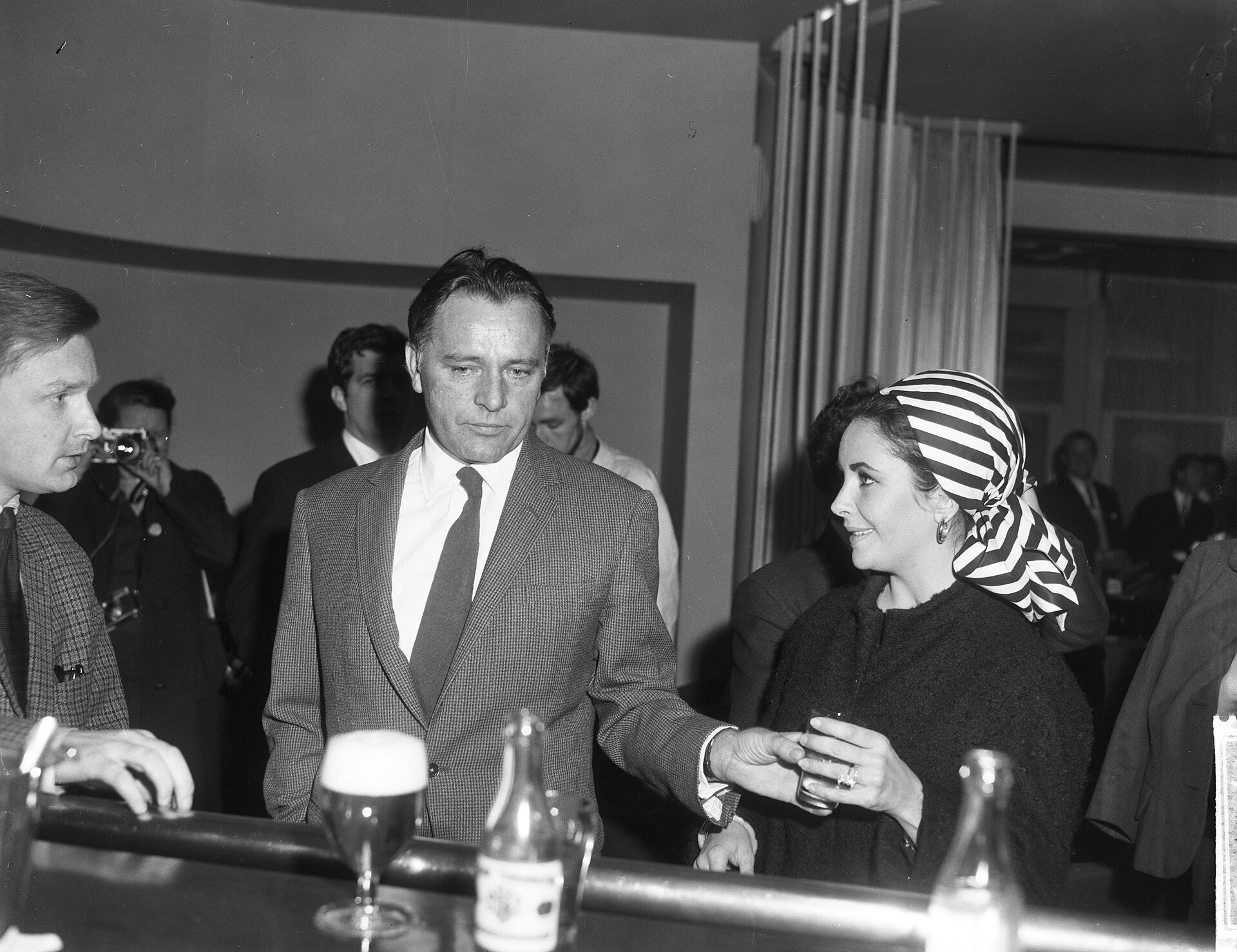
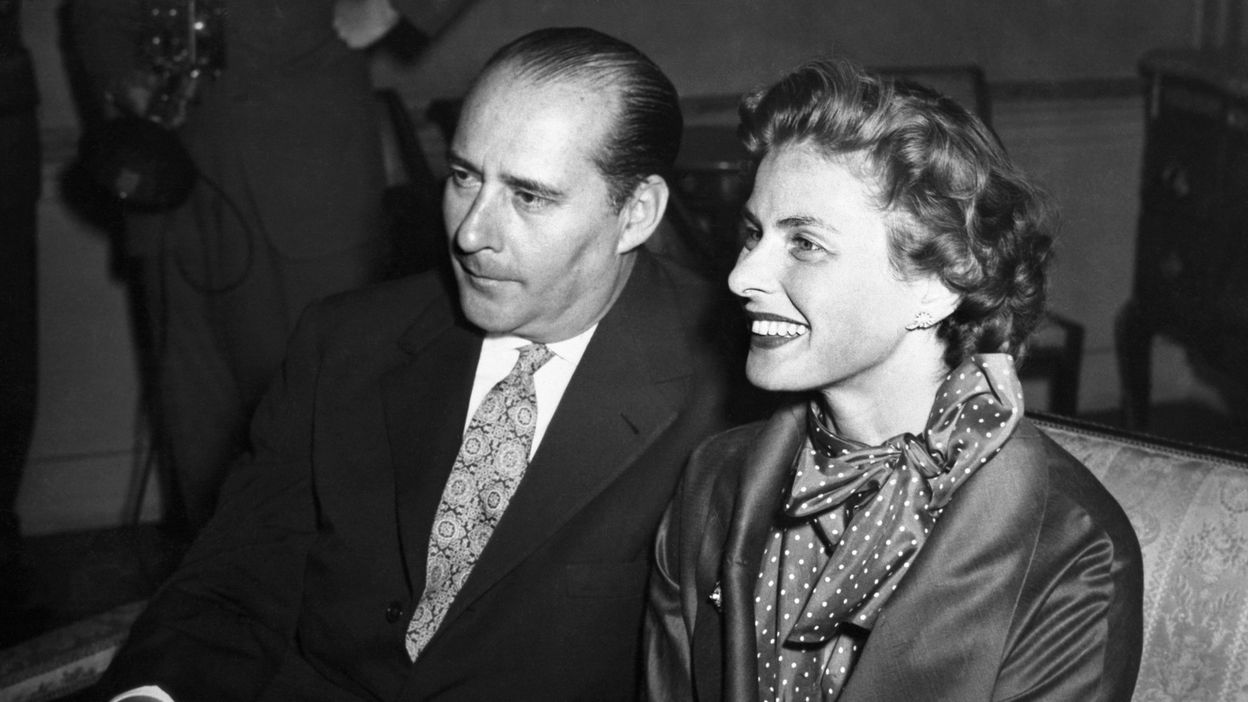 Unknown press photographer, Rome / Public domain
The facts, briefly
Ingrid Bergman, then one of the most bankable stars in America, wrote to the Italian director Roberto Rossellini in 1948 offering to work with him. They made Stromboli together, began a relationship while she was married to Petter Lindström, and she became pregnant. Her son was born on 2 February 1950. In March 1950 Senator Edwin C. Johnson of Colorado denounced her by name on the Senate floor. She did not make a film in Hollywood for six years.
Step by step, with dates
1948
Bergman writes to Rossellini after seeing Rome, Open City, offering to work with him.
1949
Filming of Stromboli on the Aeolian island of the same name; the relationship becomes public.
2 February 1950
Her son Roberto (Robertino) is born in Rome.
14 March 1950
Senator Edwin C. Johnson attacks Bergman by name in the United States Senate, calling for the licensing of film performers.
24 May 1950
Her divorce from Petter Lindström is finalised in Mexico; she and Rossellini marry the same year.
18 June 1952
Twin daughters, Isabella and Isotta, are born.
1956
Bergman stars in Anastasia, made in Europe for an American studio.
27 March 1957
She wins her second Academy Award for Best Actress for Anastasia. Cary Grant accepts it on her behalf.
1972
Senator Charles Percy places a statement in the Congressional Record apologising for the 1950 attack.
What is confirmed
- PUBLIC RECORD: Johnson's 1950 Senate remarks are in the Congressional Record; so is the 1972 statement of apology.
- CONFIRMED: Bergman won three Academy Awards in total — Gaslight (1944), Anastasia (1956) and, for a supporting role, Murder on the Orient Express (1974).
- CONFIRMED: she did not appear in a Hollywood-financed production shot in the US between 1949 and Anastasia.
- CONFIRMED: she and Rossellini made five feature films together, none of which was commercially successful at the time; several are now standard repertory.
What she publicly said
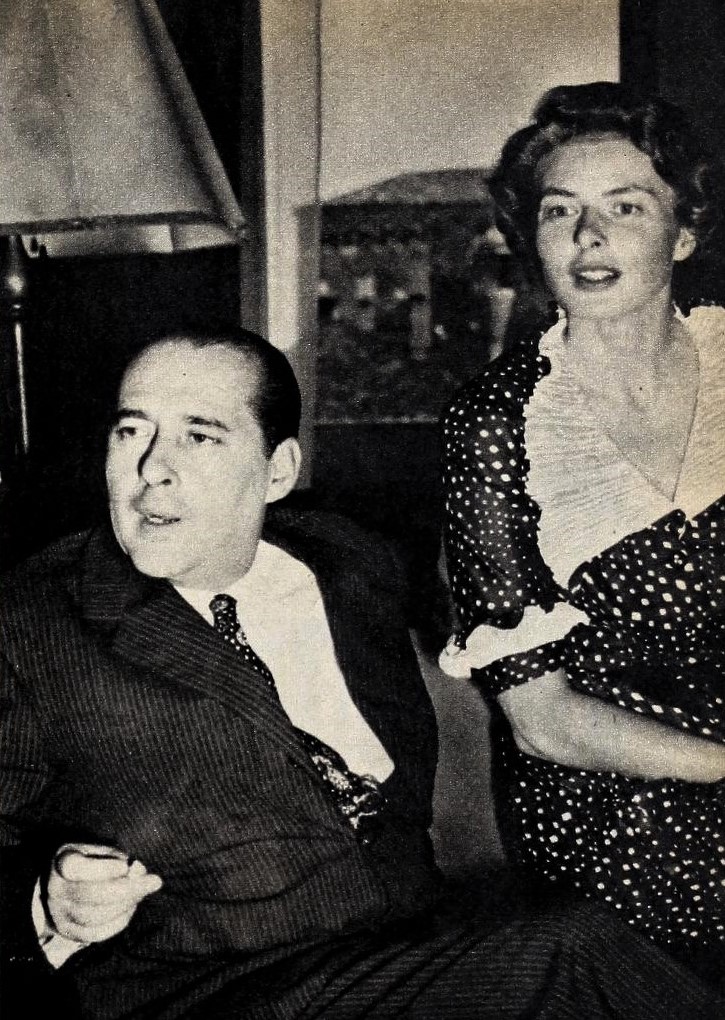
“I have been the most unhappy woman in the world because I have been unable to be with my daughter.”
Bergman gave her own account in her 1980 memoir, written with Alan Burgess, in which she described the Senate attack, the loss of access to her eldest daughter for a period, and her refusal to apologise for the relationship.
What the Senate speech actually demanded
The 1950 attack is often summarised as a senator calling an actress immoral, which undersells it. Johnson's proposal was regulatory: that performers should require federal licences to work, with moral conduct as a condition of holding one. He was arguing that the state should be able to remove a person's ability to practise their profession for private behaviour.
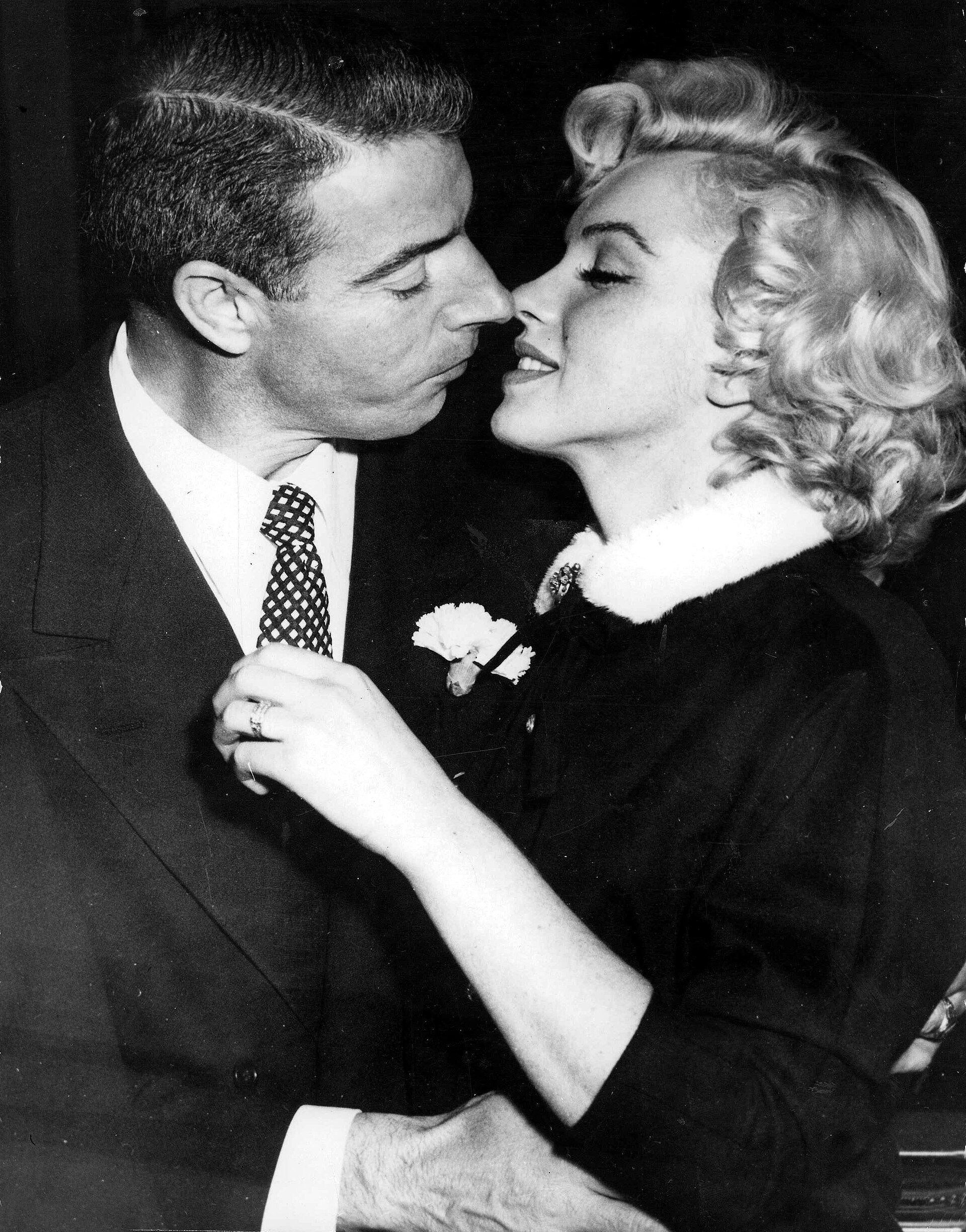 Continue reading · What happened next?They Were Married for 274 Days — and He Sent Roses for Twenty YearsThe wedding at San Francisco City Hall took minutes. The marriage lasted nine months. What DiMaggio did afterwards is the part almost nobody gets right.
No such licensing scheme was ever enacted. What did happen was informal and effective — distributors, exhibitors and studios kept their distance, and Bergman worked in Europe instead. It is a clear illustration of how the enforcement of Hollywood morality worked in that period: rarely by rule, usually by everyone quietly declining to sign the cheque.
What remains disputed
Estimates of how much studio money the scandal cost, and claims about which specific executives blacklisted her, vary between biographers and are not established by any primary document. Reported only.
What happened next
The Bergman–Rossellini marriage was annulled in 1957 and she married Lars Schmidt in 1958 — an arrangement that lasted until 1975. Her return to American film in 1956 was total: the Academy Award, and a public reception that reversed the 1950 verdict within a single awards season.
The reversal is worth stating plainly, because it is rarely as clean as this. The same industry that had made her unemployable gave her its highest award seven years later, for a film shot in Europe, accepted in her absence by a friend. Nothing about the underlying facts had changed. Only the appetite for punishing them had.
Their lives afterwards
Bergman died on 29 August 1982, on her sixty-seventh birthday. Rossellini died in 1977. Their daughter Isabella Rossellini has had a long career of her own in film, and has spoken publicly about the scandal her parents lived through.
Image record & sources
- Photographer
- Unknown press photographer, Rome
- Date made
- 1951
- Collection
- Wikimedia Commons
- Licence
- Public domain
- Attribution
- Press photograph, Rome, 1951. Public domain.
- File checked
- Licence page for this exact file — verified 30 August 2026
References
Continue on these topics
Tags
About the author
Forgotten Frame Editorial Desk
Editorial team
The Forgotten Frame editorial desk researches photographic archives, checks the licence of every individual file we publish, and writes the verified context around each picture.