Part ofThe Hollywood Breakup FilesHollywood's Biggest Feuds
He Left America's Sweetheart for His Best Friend's Widow
The scandal that briefly made Elizabeth Taylor the most hated woman in America — and the friendship between the two wives that outlasted every man involved.
PUBLIC RECORDCentral claim classification. Reported and disputed material is labelled in the text.
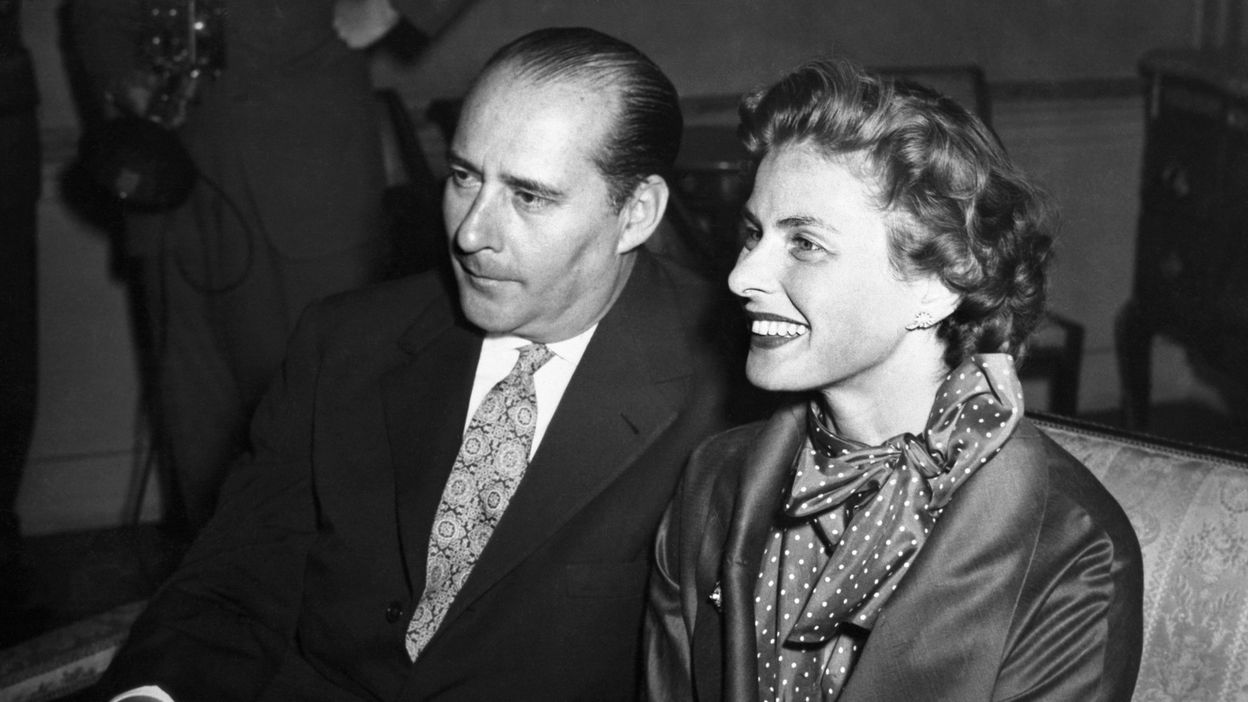
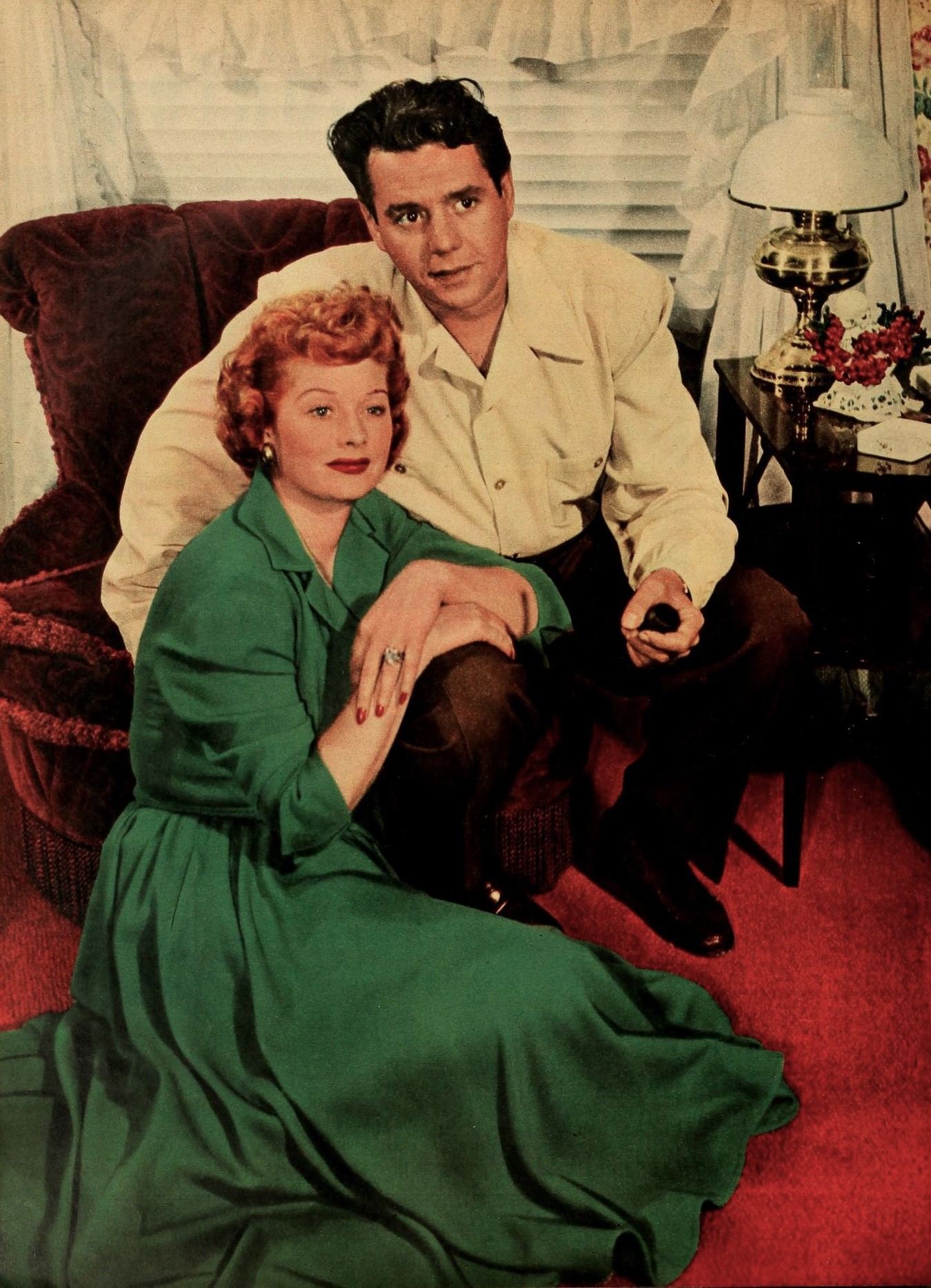
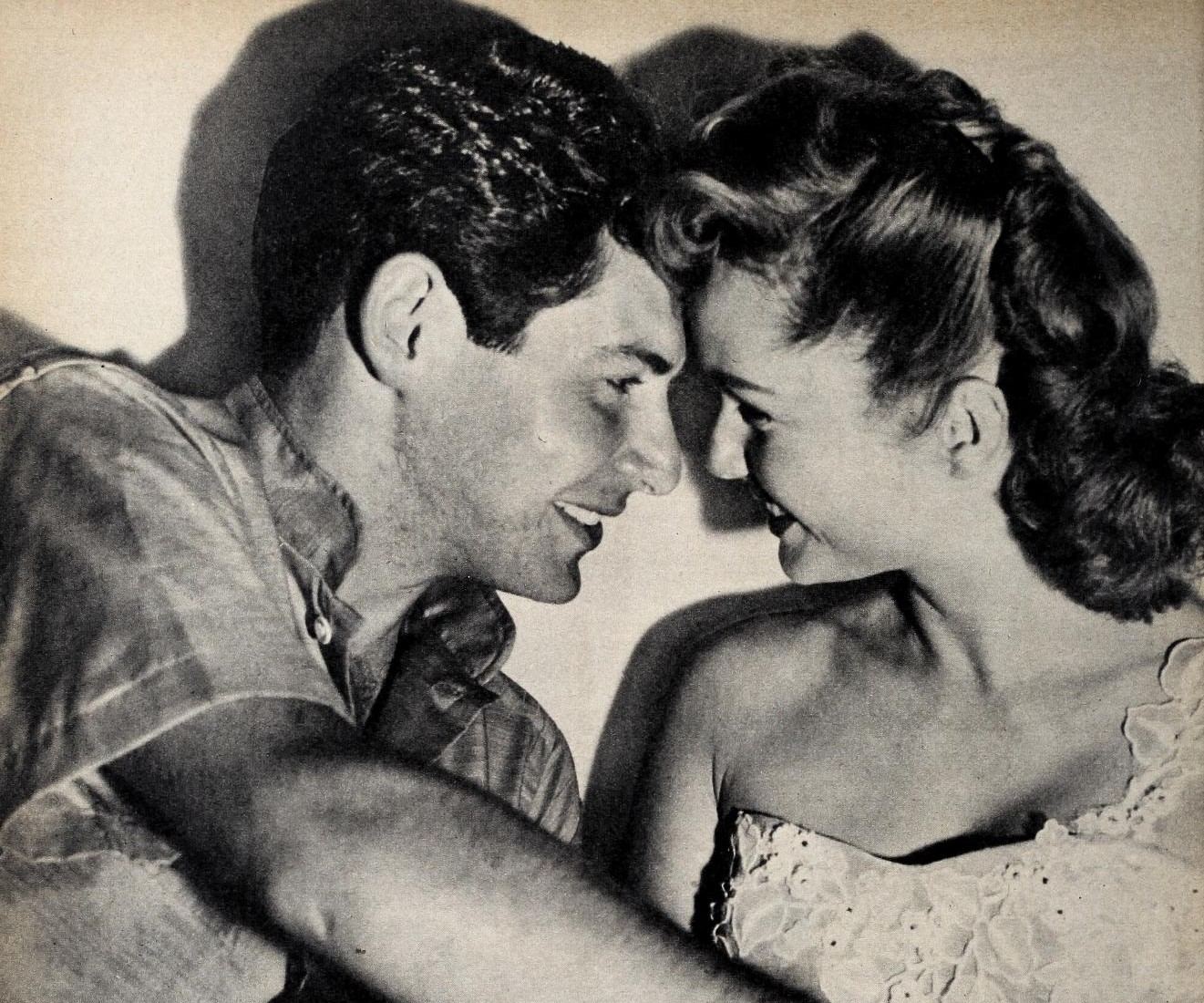 NBC Television publicity (photographer uncredited) / Public domain
What the paperwork records
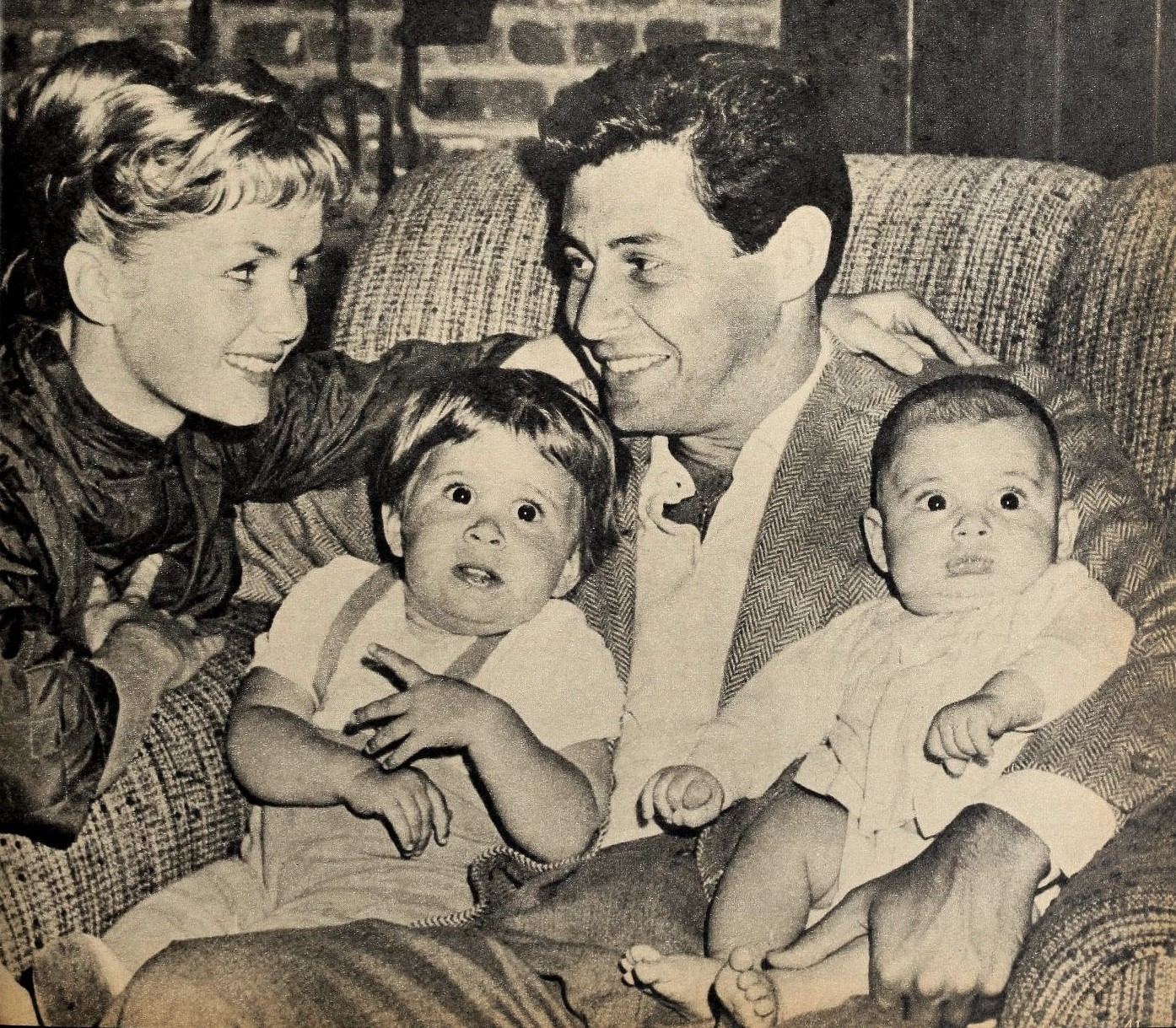
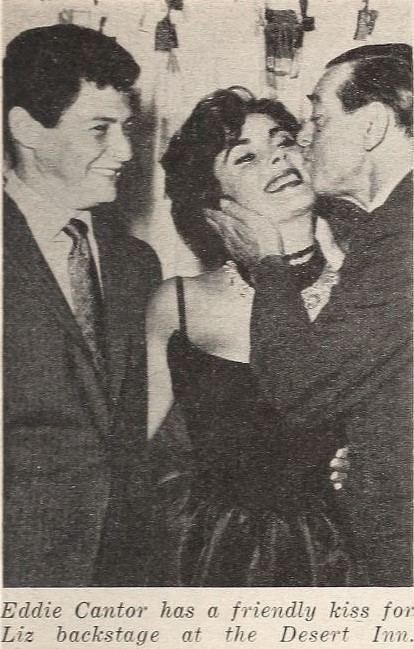
Mike Todd, the producer of Around the World in 80 Days, was married to Elizabeth Taylor and was the closest friend of the singer Eddie Fisher, who had been best man at their wedding. On 22 March 1958 Todd's private aircraft crashed in New Mexico and he was killed. Fisher, then married to Debbie Reynolds and the father of two small children, was among those who supported Taylor through the months that followed.
By September 1958 the American press had established that the relationship had become something else. What happened next is a case study in how the studio era assigned blame: Fisher was the married man who left, but it was Taylor whose career was nearly destroyed, and Reynolds who was cast for the rest of her life as the wronged wife.
The dated record
26 September 1955
Eddie Fisher and Debbie Reynolds marry. Both are studio-managed stars in their twenties.
21 October 1956
Their daughter Carrie Fisher is born.
2 February 1957
Elizabeth Taylor marries the producer Mike Todd, her third husband; Fisher is best man.
22 March 1958
Mike Todd is killed when his aircraft crashes in New Mexico. Taylor, ill at home, was not on board.
24 February 1958
Todd Fisher, Reynolds and Fisher's second child, is born.
September 1958
The Fisher–Taylor relationship becomes public. The coverage is immediate and hostile to Taylor.
1959
Reynolds and Fisher divorce. Fisher marries Taylor in Las Vegas on 12 May 1959.
April 1961
Taylor wins the Academy Award for Best Actress for Butterfield 8, months after a near-fatal bout of pneumonia in London. The public reversal is total.
1962
Taylor meets Richard Burton on the set of Cleopatra in Rome. Fisher leaves the production.
March 1964
Taylor and Fisher divorce. She marries Burton days later.
22 September 2010
Eddie Fisher dies in California, aged 82.
27–28 December 2016
Carrie Fisher dies aged 60; Debbie Reynolds dies the following day, aged 84.
What we can stand behind
- PUBLIC RECORD: Fisher and Reynolds married in 1955 and divorced in 1959; Fisher married Taylor in May 1959 and they divorced in 1964.
- PUBLIC RECORD: Mike Todd died in an aircraft crash on 22 March 1958; Fisher had been best man at his wedding to Taylor.
- PUBLIC RECORD: Taylor won the Academy Award for Best Actress in 1961, less than three years after the scandal.
- CONFIRMED: Fisher wrote about the affair in his own memoirs; Reynolds wrote about it in hers, as did Carrie Fisher.
- CONFIRMED: Reynolds and Taylor publicly reconciled and remained friendly for decades afterwards, an account both women gave on the record.
Who the public punished
Fisher lost his television show. Taylor lost, for a season, the ability to be photographed without an accompanying editorial about her morals. Reynolds gained a public persona — the wholesome, wronged American wife — that she spent the rest of her career alternately using and resenting. She said, repeatedly and in print, that the version of the story the public preferred was a simplification, and that a marriage that ends does not usually do so because a third person arrived.
The reversal came in early 1961, when Taylor nearly died of pneumonia in London and underwent an emergency tracheotomy. She won the Academy Award weeks later. She said herself, more than once, that the award was for the illness rather than the film — a remark that is documented in her own interviews and is one of the more honest things any Oscar winner has said.
What they told the public
“I don't think Elizabeth ever stole anything from me. Eddie left. That is a different thing.”
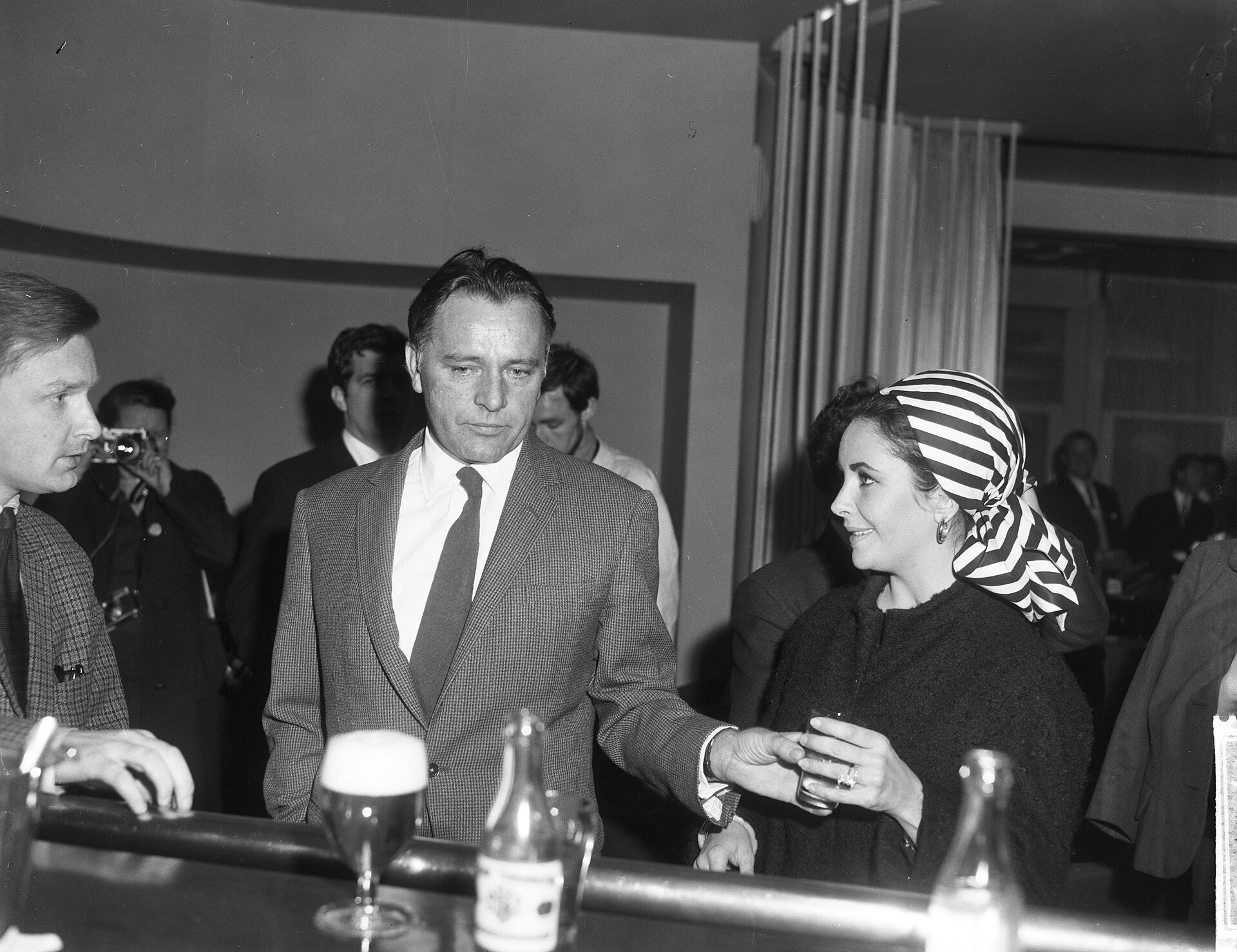 Continue reading · What happened next?Elizabeth Taylor and Richard Burton: The Love Affair That Became a Legend — What Happened Next?Their love story began on the set of Cleopatra and produced two marriages, two divorces, eleven films and a correspondence that outlived them both. Here is the documented sequence — and what happened after the second divorce.
The friendship between the two women resumed in the 1960s, by both their accounts, when they found themselves on the same ocean liner. They appeared together on television afterwards and spoke warmly of each other for the rest of their lives. Fisher's own memoirs are notably harder on Fisher than either woman ever was.
The years that followed
Taylor's marriage to Fisher ended when she met Richard Burton in Rome; that story produced a bigger scandal than this one and a longer marriage. Reynolds continued working for another five decades, in film, on Broadway and in Las Vegas, and built one of the largest private collections of Hollywood costume and prop material in existence — much of it rescued from studio auctions in the 1970s when nobody else would pay for it.
Carrie Fisher wrote about all of it — her parents, the marriage, the aftermath — in fiction and memoir, and made the family history into her own material. She died on 27 December 2016. Her mother died the following day. It is the last and least explicable fact in a story with an unusually complete paper trail.
Why the studios could not contain it
In 1938 or 1948, a scandal of this shape would have been managed: the studio publicity departments had working relationships with the columnists, and stories were traded rather than broken. By 1958 that machinery was failing. The Supreme Court's 1948 Paramount decision had forced the studios to divest their cinema chains; television was taking the audience; and a new generation of magazines — Confidential foremost among them — had built a business on precisely the material the old system had suppressed.
Fisher and Reynolds were also, unusually, a television couple as much as a film one. Fisher's NBC series Coke Time made him a household presence twice a week. When the story broke, the sponsor pressure was immediate and the show did not survive it. That is the mechanism that punished him: not a studio memo, but an advertiser.
What the coverage did to Taylor's career, and then failed to do
The hostility was severe and explicitly gendered. Taylor was twenty-six, twice widowed in the public imagination — Todd's death was five months old — and the columns cast her as a predator rather than as a woman who had just buried her husband. She was still under contract to MGM and still, commercially, the studio's most valuable asset, which is the only reason the coverage did not end her employment.
Butterfield 8, the film that won her the Academy Award in 1961, was a picture she detested and made only to discharge her MGM contract. She said so at the time and never revised it. The award arrived weeks after she nearly died of pneumonia in London, and the profession's reversal was so abrupt that she herself attributed it to the tracheotomy rather than the performance. Within a year she was in Rome making Cleopatra on the largest contract ever given to an actor, and the woman the columnists had ruined in 1958 was the highest-paid performer in the world.
Image record & sources
- Photographer
- NBC Television publicity (photographer uncredited)
- Date made
- January 1955
- Collection
- Wikimedia Commons
- Licence
- Public domain
- Attribution
- NBC Television publicity photograph. Public domain, via Wikimedia Commons.
- File checked
- Licence page for this exact file — verified 30 August 2026
References
- Encyclopædia Britannica — Elizabeth Taylor
- Encyclopædia Britannica — Debbie Reynolds
- Encyclopædia Britannica — Carrie Fisher
- Academy of Motion Picture Arts and Sciences — 33rd Academy Awards
- American Film Institute Catalog — Butterfield 8 (1960)
- Wikimedia Commons — licence pages for the three photographs used here
Continue on these topics
Tags
About the author
Forgotten Frame Editorial Desk
Editorial team
The Forgotten Frame editorial desk researches photographic archives, checks the licence of every individual file we publish, and writes the verified context around each picture.