Part ofWhat Happened Next?Where Are They Now?
What Happened to the Cast of The Wizard of Oz After 1939
The Wizard of Oz was not a hit on release. What it became, and what it cost the people who made it, are both matters of record.
PUBLIC RECORDCentral claim classification. Reported and disputed material is labelled in the text.
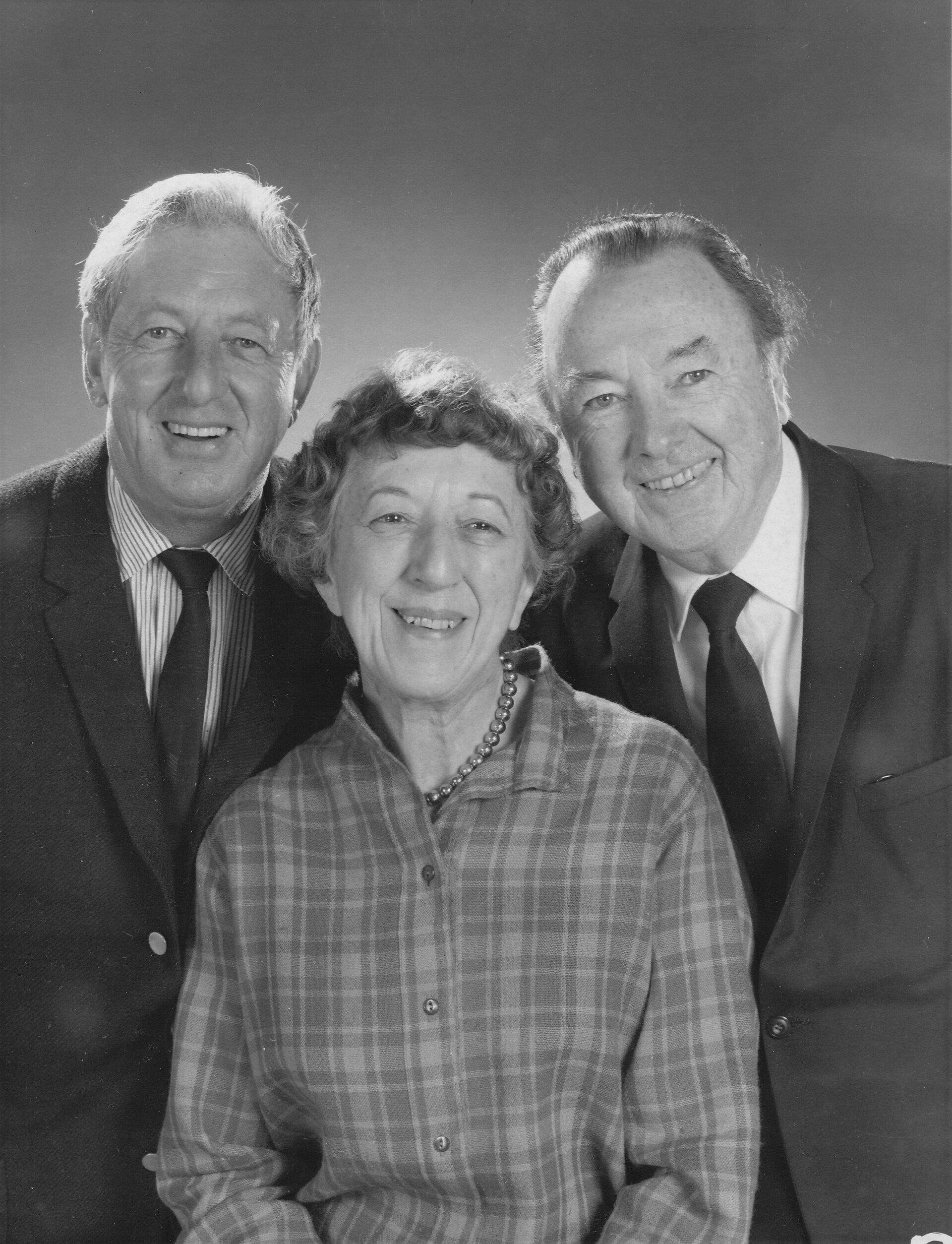
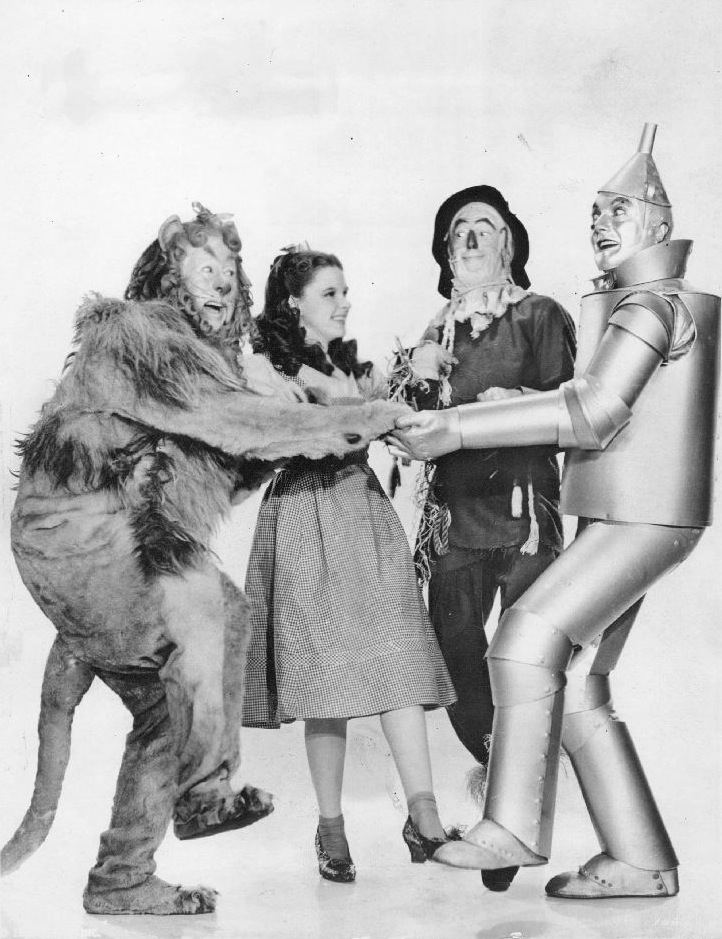 Metro-Goldwyn-Mayer publicity (photographer uncredited) / Public domain
What actually happened
The Wizard of Oz cost MGM roughly $2.8 million in 1939 — an enormous budget — and did not turn a profit on its original release. It became the most-watched film in history not in cinemas but on television, through annual American network broadcasts that began in 1956 and ran, more or less unbroken, for decades. Almost none of the people in it were paid anything for that.
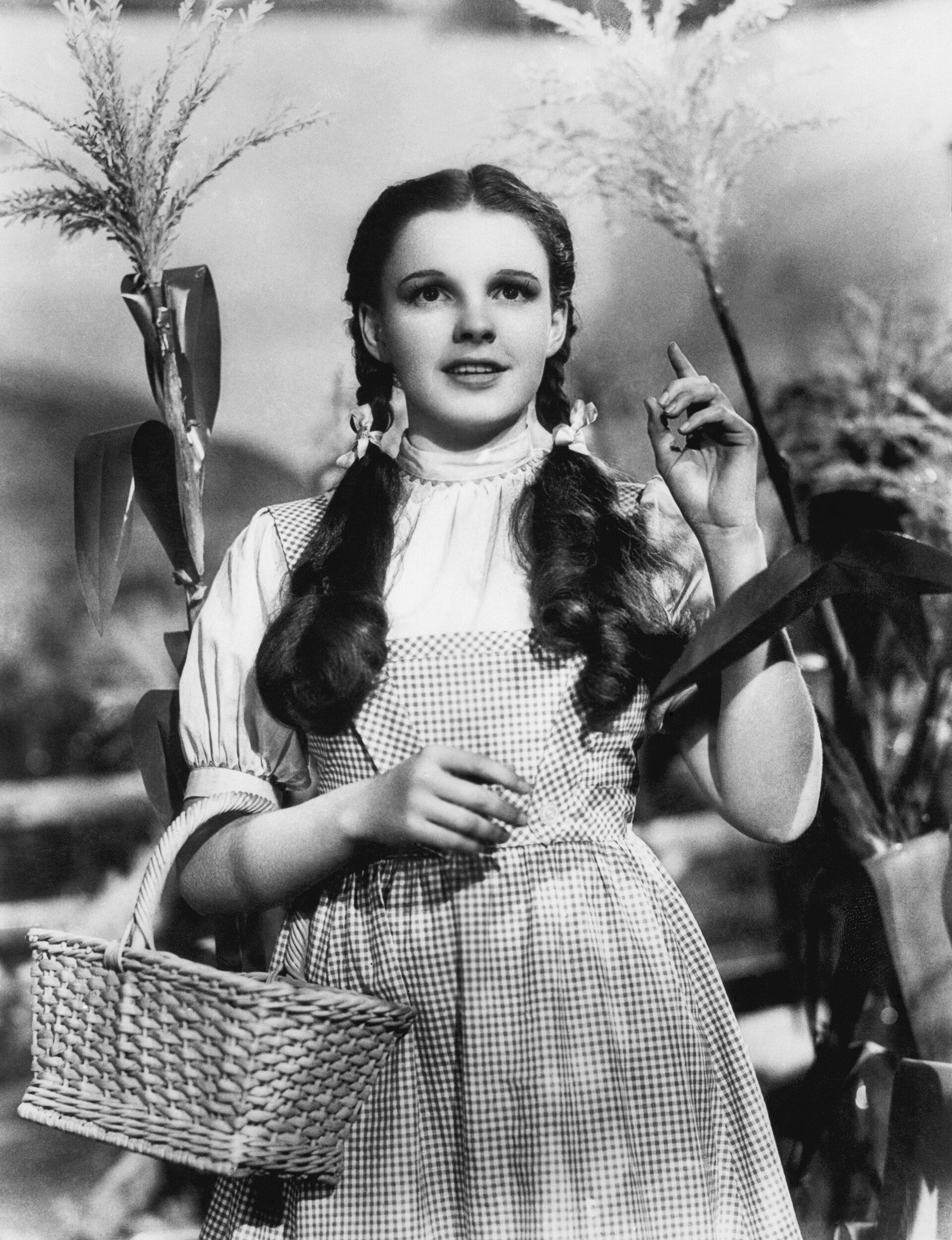
The production itself is one of the best-documented physically punishing shoots of the studio era. Five directors worked on it. Two of the principals were injured seriously enough to leave the picture or halt it. And the sixteen-year-old at the centre of it was under a studio contract that governed her weight, her schedule and, by multiple later accounts including her own, her medication.
Chronology of the record
October 1938
Buddy Ebsen, originally cast as the Tin Man, is hospitalised after inhaling the aluminium powder used in his make-up. He is replaced by Jack Haley, and the make-up is reformulated as a paste.
December 1938
Margaret Hamilton is burned during the Munchkinland exit effect when a trapdoor and flame cue mistime. She is off the picture for around six weeks and returns to finish it.
15 August 1939
The film opens in the United States. Reviews are strong; the budget is not recovered on first release.
29 February 1940
Judy Garland receives the Academy Juvenile Award. 'Over the Rainbow' wins Best Original Song.
3 November 1956
The first American network television broadcast. Annual showings follow and turn the film into a shared national event.
1949–1970
Frank Morgan (the Wizard) dies in 1949; Bert Lahr (the Cowardly Lion) in 1967; Billie Burke (Glinda) in 1970.
22 June 1969
Judy Garland dies in London, aged 47. A coroner records an accidental barbiturate overdose.
1975
Margaret Hamilton appears on Mister Rogers' Neighborhood, in costume and out of it, to explain to frightened children that the witch was a performance.
1979 / 1985 / 1987
Jack Haley dies in 1979; Margaret Hamilton in 1985; Ray Bolger, the last of the four travelling companions, in 1987.
1989
The Wizard of Oz is added to the Library of Congress's National Film Registry in the registry's first year.
2018
Jerry Maren, the last surviving credited Munchkin performer, dies aged 98.
Established beyond dispute
- PUBLIC RECORD: Buddy Ebsen was hospitalised after a reaction to aluminium-powder make-up and was replaced as the Tin Man by Jack Haley.
- PUBLIC RECORD: Margaret Hamilton was burned during a pyrotechnic effect and returned to complete the film after recovering.
- PUBLIC RECORD: Judy Garland received the Academy Juvenile Award in 1940; 'Over the Rainbow' won Best Original Song.
- PUBLIC RECORD: the film did not recoup its costs on first release and became a mass phenomenon through television from 1956 onwards.
- CONFIRMED: Garland described the studio's control of her weight and her use of prescribed stimulants in her own later interviews.
The stories that are not true
Two persistent legends should be retired. The first is that a Munchkin actor can be seen hanging himself in the background of a forest scene: the shape in that shot is a bird from the studio's menagerie, visible in the restored transfer, and MGM's own production records place no cast fatality on the picture. The second is that the ruby slippers were red because of a rights dispute — they were red because the film was shot in Technicolor and silver shoes, as in the novel, would have vanished against a yellow road. Forgotten Frame records both claims as false.
What is true and less often repeated is the pay. Terry, the cairn terrier who played Toto, was reportedly paid more per week than several of the credited Munchkin performers — a detail drawn from studio payroll accounts and repeated by cast members in later interviews.
Statements on the record
“I am the witch. But I am not really a witch — it is make-believe, and you can watch me put it on.”
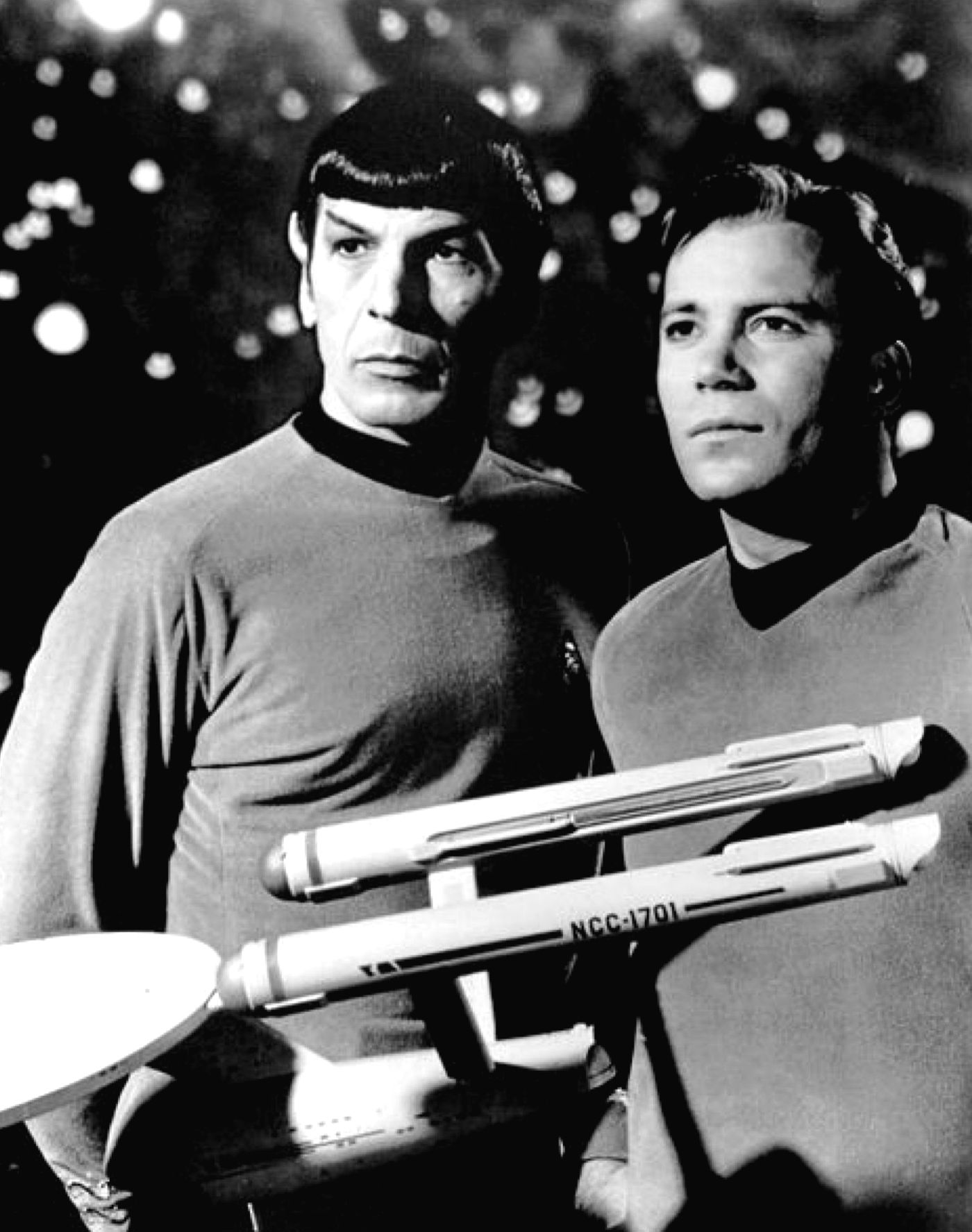 Continue reading · What happened next?NBC Cancelled It After Three Seasons. Then One of the Cast Started Recruiting Astronauts for NASA.Star Trek was a ratings failure that ended in 1969. What happened to the people in the publicity photographs is stranger than the show: a NASA recruitment contract, an internment-camp childhood made public, and a ninety-year-old captain who actually went to space.
Hamilton spent forty years being politely terrifying to strangers' children and eventually did something about it on public television. Bolger and Haley reunited on camera several times in the 1970s. Garland performed 'Over the Rainbow' for the rest of her life and said, in her final years, that she had come to resent being asked for it and sang it anyway.
The aftermath
Judy Garland's daughters, Liza Minnelli and Lorna Luft, both went into performance; Minnelli won an Academy Award in 1973. The surviving ruby slippers are among the most valuable film artefacts in existence — one pair is held at the Smithsonian's National Museum of American History, and another was stolen from a Minnesota museum in 2005 and recovered by the FBI in 2018.
The film that lost money in 1939 is now in the National Film Registry, has been continuously in circulation for eighty-five years, and is estimated to have been seen by more people than any other motion picture. Everyone who appeared in it was on a flat studio contract.
What a studio contract meant in 1939
Everyone in the film was on a flat weekly salary. Judy Garland had been under contract to MGM since 1935 and was reportedly paid a few hundred dollars a week for Oz while Terry, the dog, drew a reported $125. The four principal adult performers were paid substantially more than Garland, who was the lead. None of them received any participation in the film's later television income, which is where nearly all of its money was eventually made.
The contract system extended to the performers' bodies and schedules. Garland's later accounts — given in interviews from the 1960s onwards, and corroborated by other MGM contract players of the period — describe studio-supervised dieting, and amphetamines to sustain the working day followed by barbiturates to sleep. This was not a secret practice; it was standard management of juvenile contract talent at more than one studio. She was sixteen during filming and had been working professionally since childhood.
The film that television made
MGM's initial release recovered little against a budget of roughly $2.8 million. A 1949 reissue helped. What changed everything was 3 November 1956, when CBS broadcast it for the first time, and the annual repeats that followed on CBS and then NBC. For roughly three decades an American child could expect to see the film once a year, at a fixed point in the calendar, with the whole household watching at the same time — a mode of shared viewing that no longer exists and that no streaming release can reproduce.
That is why the film's cultural position is out of proportion even to its quality. It is not simply well made; it was, for a generation, the only fantasy film most people saw, and they saw it repeatedly. The Library of Congress selected it for the National Film Registry in the registry's first year, 1989, and the Smithsonian's pair of ruby slippers is among the most requested objects in the national collection.
Image record & sources
- Photographer
- Metro-Goldwyn-Mayer publicity (photographer uncredited)
- Date made
- 1939 (MGM press release)
- Collection
- Wikimedia Commons
- Licence
- Public domain
- Attribution
- MGM publicity photograph. Public domain, via Wikimedia Commons.
- File checked
- Licence page for this exact file — verified 30 August 2026
References
- Encyclopædia Britannica — The Wizard of Oz
- Encyclopædia Britannica — Judy Garland
- Library of Congress — National Film Registry listing
- American Film Institute Catalog — The Wizard of Oz (1939)
- Academy of Motion Picture Arts and Sciences — 12th Academy Awards
- Smithsonian — the ruby slippers in the national collection
Continue on these topics
Tags
About the author
Forgotten Frame Editorial Desk
Editorial team
The Forgotten Frame editorial desk researches photographic archives, checks the licence of every individual file we publish, and writes the verified context around each picture.