Part ofHollywood's Biggest Feuds
Fifteen Seconds at the 2009 VMAs — and Everything the Record Actually Shows Since
Some of this is confirmed on camera. A large part of it is genuinely disputed, and the disputed part is where most of the internet's certainty lives.
DENIED / DISPUTEDCentral claim classification. Reported and disputed material is labelled in the text.
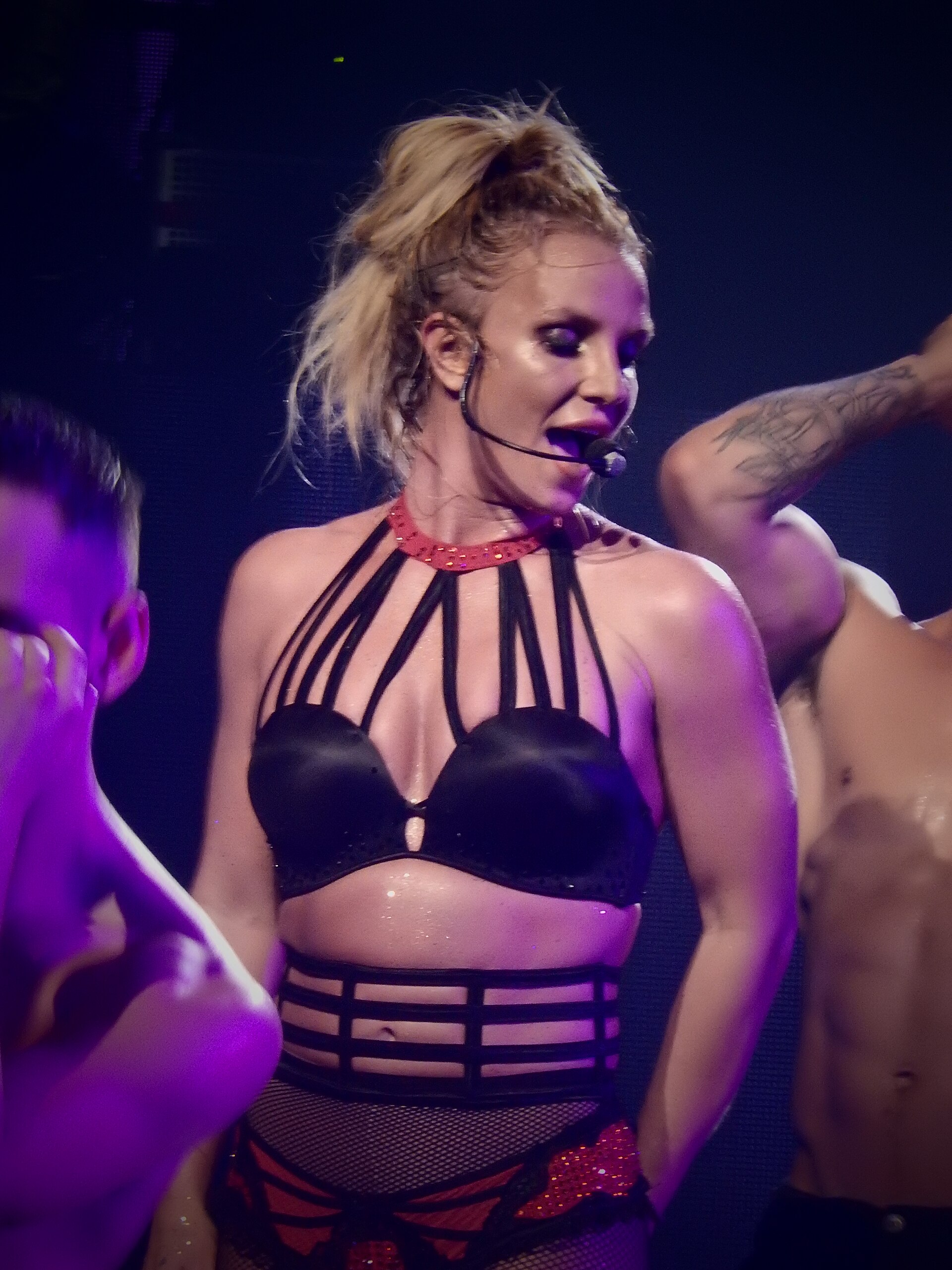
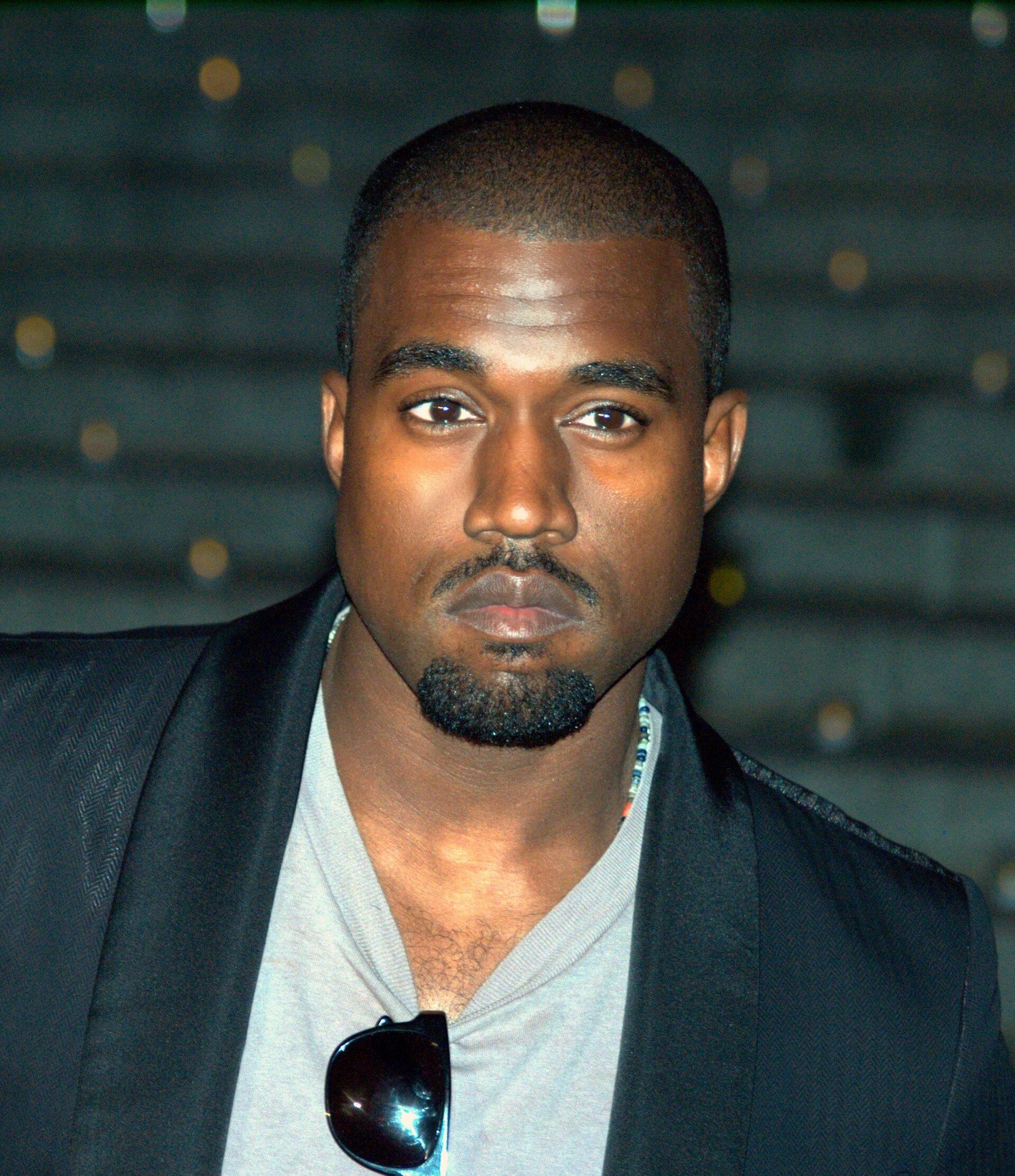
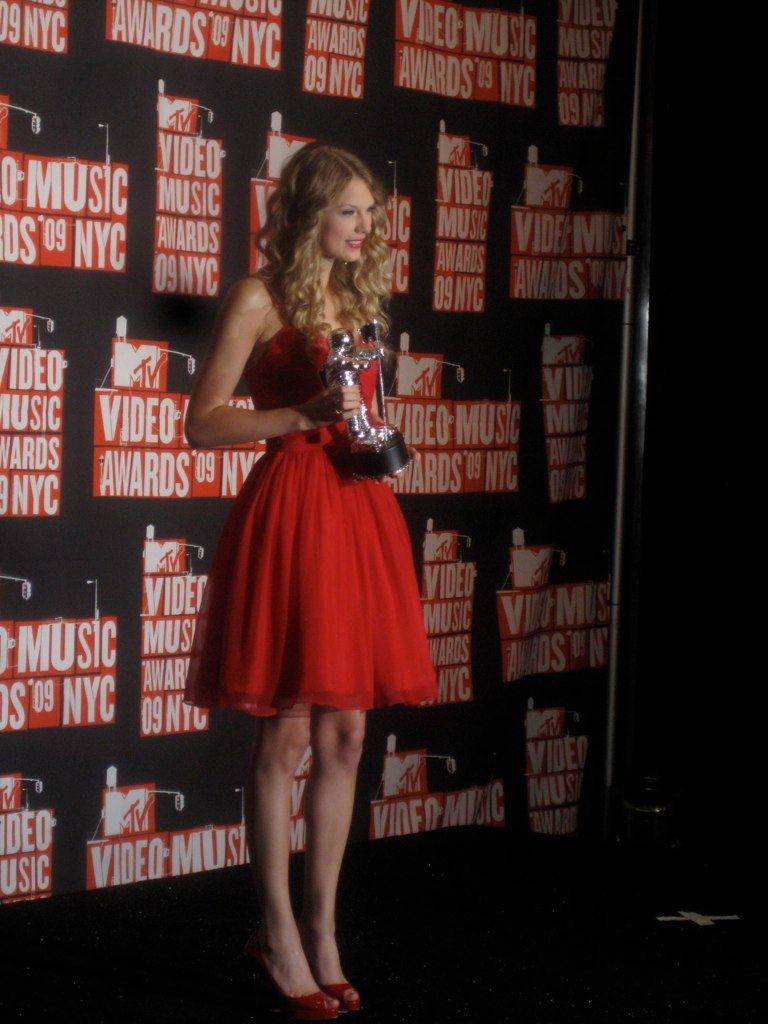 Jaguar PS / photographer as credited on the file page / CC BY-SA 2.0
The documented account
On 13 September 2009, Taylor Swift won Best Female Video at the MTV Video Music Awards for 'You Belong with Me'. She was nineteen and it was her first VMA. About fifteen seconds into her acceptance speech, Kanye West walked on stage, took the microphone and said that Beyoncé had made one of the best videos of all time. The broadcast cut to the audience. The rest of the evening happened around it.
Everything in that paragraph is on tape and is not in dispute. Almost everything that happened afterwards is contested by at least one of the participants, and the contested part is where the internet has spent fifteen years arguing with total confidence.
Step by step, with dates
13 September 2009
West interrupts Swift's acceptance speech at the MTV VMAs in New York. Beyoncé later invites Swift back on stage during her own acceptance speech.
14 September 2009
West posts a public apology and repeats it on television within days. Swift says publicly that he has apologised to her by telephone.
30 August 2015
Swift presents West with the MTV Video Vanguard Award at the VMAs. The reconciliation is filmed.
11 February 2016
West releases 'Famous', which contains a line naming Swift. Swift's representative states that she had cautioned him against releasing a song with a misogynistic message and had not approved the lyric as released.
15 February 2016
Accepting Album of the Year at the Grammy Awards, Swift makes remarks widely read as a response.
17 July 2016
Kim Kardashian posts edited clips of a recorded telephone call between West and Swift, in which Swift is heard responding warmly to part of the lyric.
March 2020
Longer footage of the same call circulates online. In it, Swift is not played the specific disparaging word she had objected to, and West does not read her that line.
2020
Swift's position — that she had objected to a line she was never played — and West's position on the call remain publicly opposed. No court ever ruled on any of it.
What the sources support
- CONFIRMED: West interrupted Swift's acceptance speech on live television on 13 September 2009. It is on the broadcast tape.
- CONFIRMED / ADMITTED: West apologised publicly within twenty-four hours, and on television afterwards.
- PUBLIC RECORD: Swift presented West with the Video Vanguard Award at the 2015 VMAs.
- CONFIRMED: 'Famous' was released in February 2016 containing a line naming Swift, and her representative issued a statement objecting to it.
- CONFIRMED: a telephone call between them was recorded; edited clips were published in July 2016 and longer footage circulated in 2020.
Where the record stops
The central question — whether Swift approved the lyric — has never been resolved, because the two parties are describing different things. West's position is that he called Swift, read her a line about her, and received her agreement. Swift's position is that the line she objected to, which describes her in a term she has consistently called misogynistic, was not in the version she was played. The 2020 footage is consistent with her account of that specific word; it is also consistent with her having been friendly about a different line.
Forgotten Frame therefore classifies the approval claim as DENIED / DISPUTED and declines to adjudicate it. Two further points are worth stating because they are frequently asserted as fact and are not: no court has ever ruled on the content of the call, and the recording of a confidential telephone conversation without the consent of all parties is, in California, governed by statute — a fact widely raised at the time and never tested in this instance.
Their own accounts
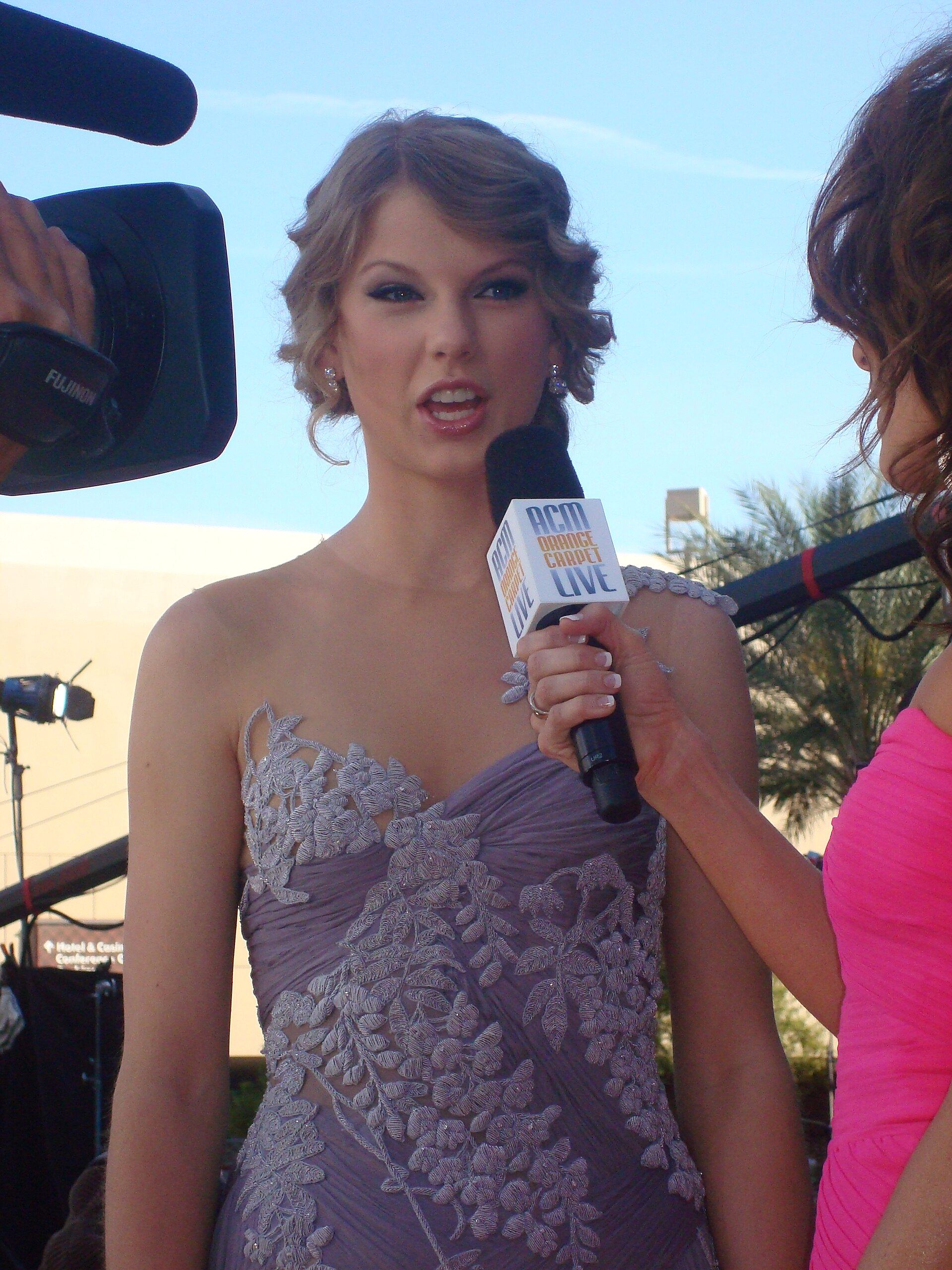
Swift's account of 2009 has shifted in emphasis over the years — from gracious in the immediate aftermath to markedly less so by 2019, when she described the period following the 2016 leak as the lowest of her life. Both accounts are hers, given years apart, and Forgotten Frame reports them as such rather than choosing the more convenient one.
What followed
Swift became the best-selling and highest-grossing touring artist of her generation, re-recorded her early catalogue after a separate dispute over its ownership, and has won Album of the Year at the Grammy Awards more times than any other artist. West's public career has been repeatedly disrupted by his own conduct, including antisemitic statements in 2022 that cost him most of his commercial partnerships.
The fifteen seconds themselves remain among the most replayed clips in the history of the internet. Almost everyone who has an opinion about what happened afterwards is describing a phone call they have heard two different edits of.
What the 2009 broadcast actually shows
It is worth watching again, because the clip that circulates is shorter than the event. West is on stage for roughly fifteen seconds. Swift stops speaking and does not resume; the director cuts away, and the ceremony moves on without giving her the remainder of her acceptance. Beyoncé, who won Video of the Year later the same night, used part of her own acceptance to bring Swift back on stage to finish — a piece of live television that is genuinely unusual and is on the same tape.
The apology sequence is also documented and is usually skipped. West posted a written apology the following day, repeated it on a late-night programme within the week, and Swift confirmed publicly that he had telephoned her. President Obama, caught on an open microphone during an unrelated interview, called him a name that ran for a week. By any ordinary standard the incident was closed within a fortnight.
How a settled incident became a seven-year dispute
The reopening has a date: February 2016, when 'Famous' was released. Everything contested here flows from that single lyric and from the phone call that preceded it. West's account is that he sought and received approval. Swift's is that she was played a different line, objected to the released one, and was then publicly framed as a liar on the basis of an edited recording.
The July 2016 clips were edited; the 2020 footage was longer, and in it the specific disparaging word Swift objected to does not appear in what West reads to her. That is as far as the evidence goes. It does not prove she was lied to, and it does not prove she consented to what was released. Forgotten Frame is not going to pretend otherwise, because the certainty the internet developed about this call is the actual subject of the story: two edits of one private conversation, released years apart by interested parties, reshaped the public reputation of both people involved.
Image record & sources
- Photographer
- Jaguar PS / photographer as credited on the file page
- Date made
- 13 September 2009
- Collection
- Wikimedia Commons
- Licence
- CC BY-SA 2.0
- Attribution
- Photographer as credited on the file page. CC BY-SA 2.0, via Wikimedia Commons.
- File checked
- Licence page for this exact file — verified 30 August 2026
References
Continue on these topics
Tags
About the author
Forgotten Frame Editorial Desk
Editorial team
The Forgotten Frame editorial desk researches photographic archives, checks the licence of every individual file we publish, and writes the verified context around each picture.