Part ofThe Hollywood Breakup FilesWhat Happened Next?
She Left With 36 Cents and a Petrol Card. The Only Thing She Asked For Was Her Name.
Sixteen years, a documented history of violence that Ike Turner later admitted in print, and the most complete second act in popular music.
CONFIRMED / ADMITTEDCentral claim classification. Reported and disputed material is labelled in the text.
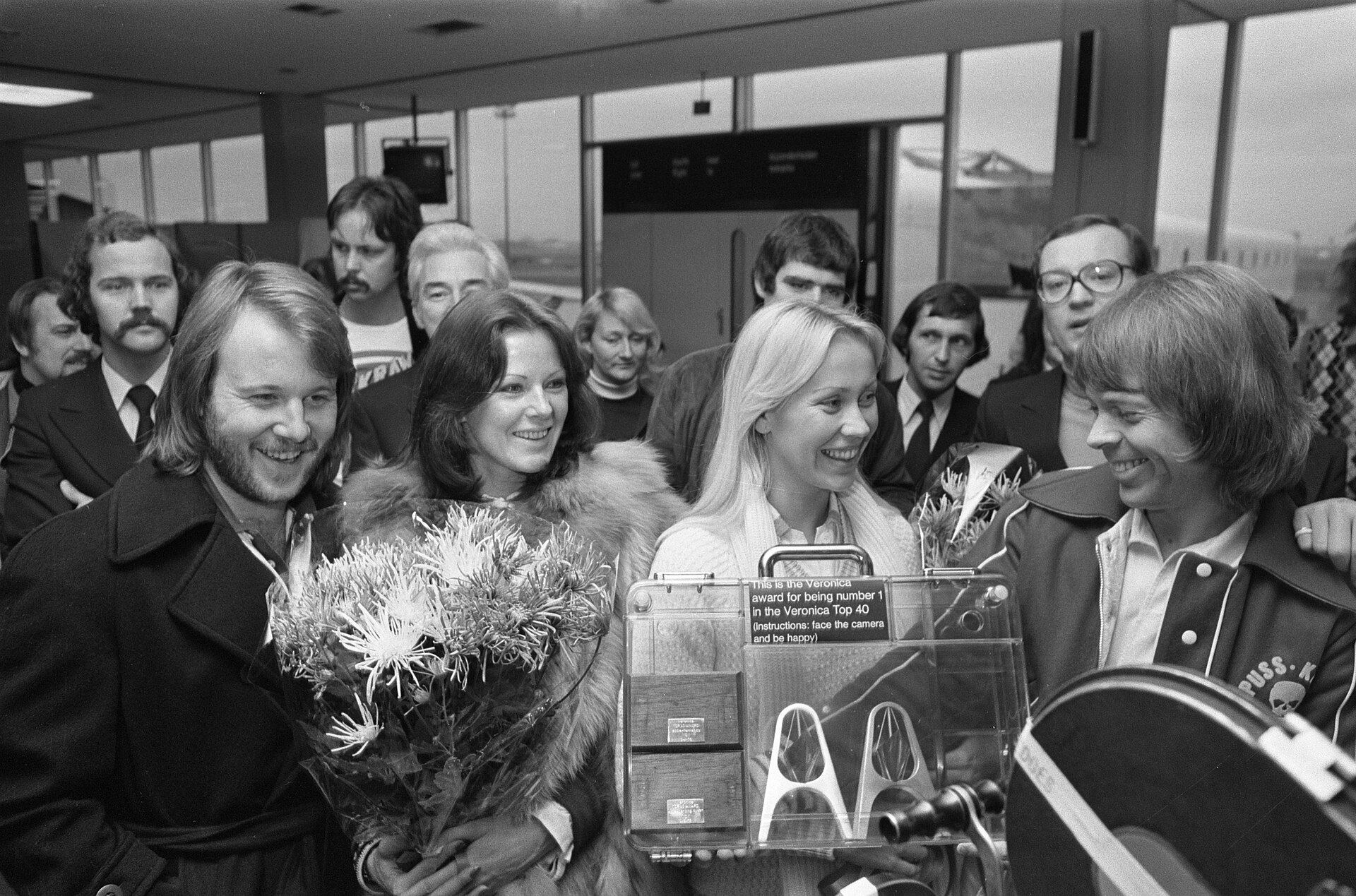
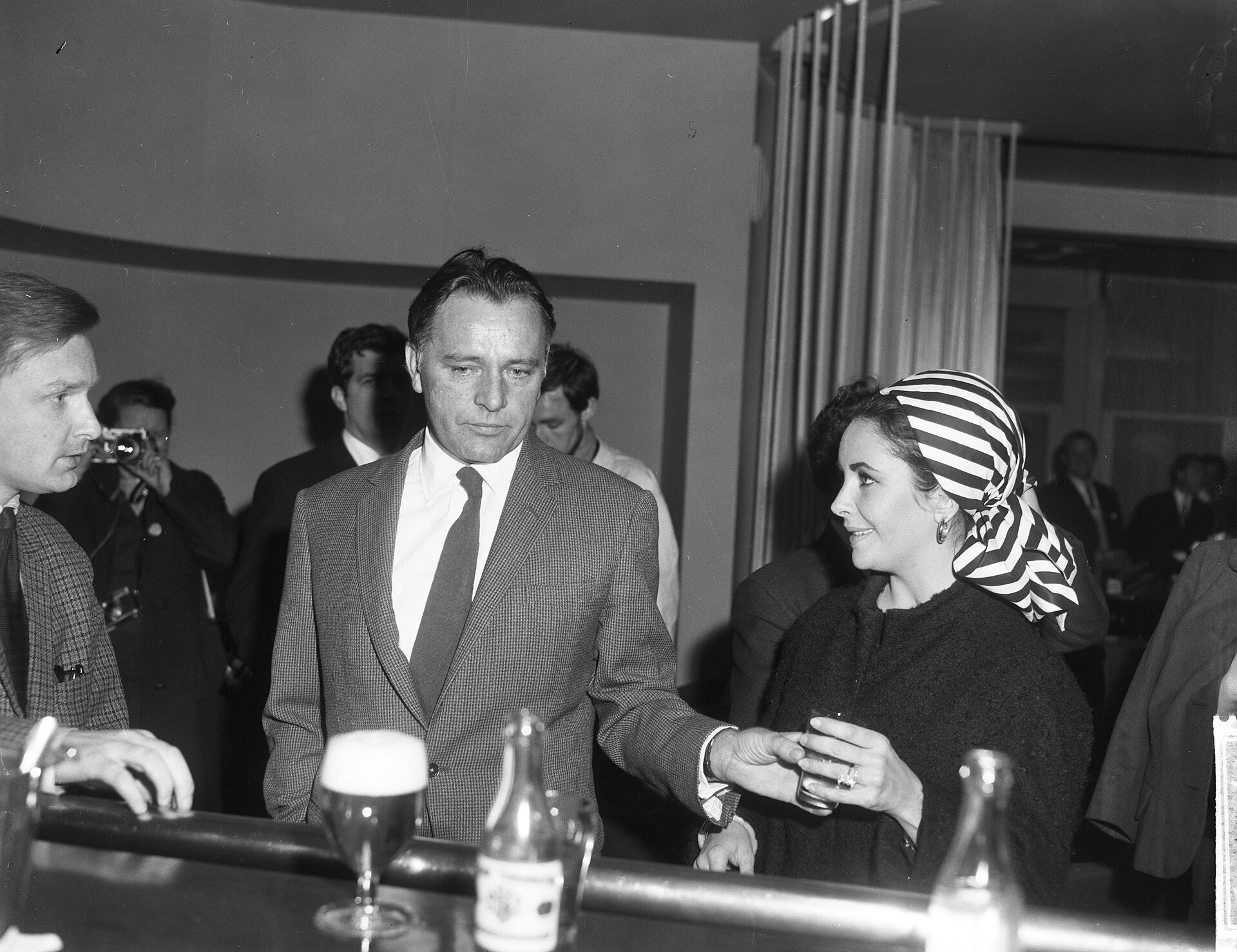
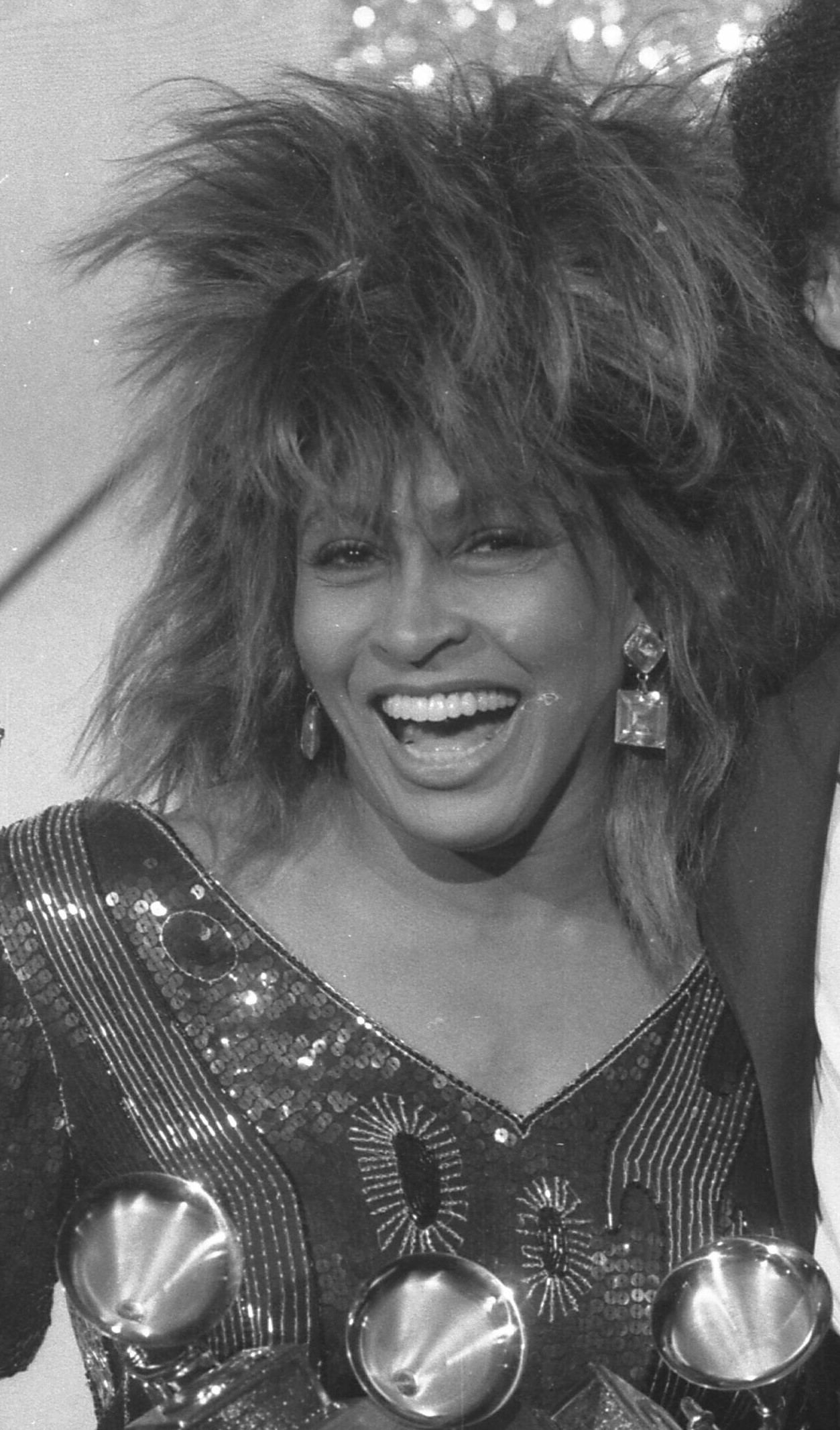
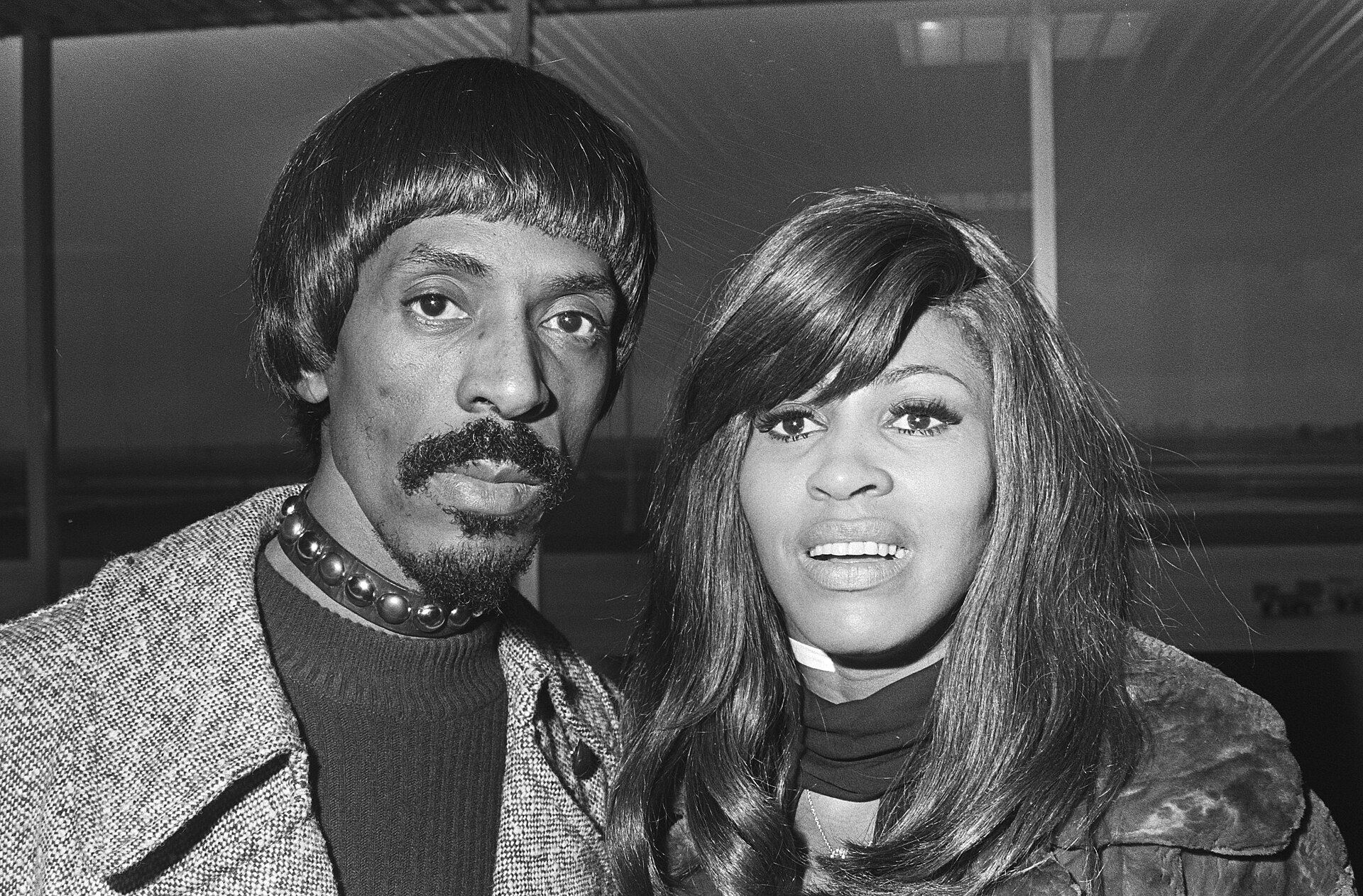 Jack de Nijs for Anefo / CC0 1.0 (public domain dedication)
The case in brief
On 1 July 1976 the Ike and Tina Turner Revue arrived in Dallas for a show at the Statler Hilton. There was a fight in the car on the way from the airport. That evening Tina Turner left the hotel through a service exit with, by her own repeated account, thirty-six cents and a Mobil credit card, crossed a freeway on foot and asked a motel manager for a room she could not pay for.
She never went back. What followed was a divorce in which she declined to fight for community property — the houses, the publishing, the recording contracts, the studio — and asked for one thing: the right to keep performing under the name Tina Turner, which Ike Turner had devised and, crucially, controlled.
How it unfolded
1957–1958
Anna Mae Bullock begins performing with Ike Turner's Kings of Rhythm in St Louis.
1960
'A Fool in Love' is released, credited to Ike & Tina Turner. Ike Turner gives her the stage name and registers it.
1962
The couple marry in Tijuana, Mexico. The legality of the ceremony is later questioned in the divorce proceedings.
1966
Phil Spector produces 'River Deep – Mountain High' with Tina Turner's vocal. It is a hit in Britain and a commercial failure in the United States.
1971
Their cover of 'Proud Mary' wins a Grammy Award and becomes the duo's biggest American hit.
1 July 1976
Tina Turner leaves Ike Turner in Dallas, hours before a scheduled performance. She files for divorce shortly afterwards.
29 March 1978
The divorce is granted. She waives claims to property and royalties and retains the use of her stage name; she also assumes liability for cancelled-tour lawsuits.
1983–1984
'Let's Stay Together' and then the album Private Dancer return her to the charts. Private Dancer sells in the tens of millions.
1985
She wins multiple Grammy Awards, including Record of the Year for 'What's Love Got to Do with It'.
1986
Her autobiography I, Tina is published, setting out the account of the marriage in detail.
1991
Ike & Tina Turner are inducted into the Rock & Roll Hall of Fame. She is inducted again as a solo artist in 2021.
1999
Ike Turner's own memoir, Takin' Back My Name, is published; in it and in later interviews he acknowledges hitting her.
12 December 2007 / 24 May 2023
Ike Turner dies aged 76; Tina Turner dies in Switzerland aged 83.
What is confirmed
- CONFIRMED / ADMITTED: Ike Turner acknowledged in his own 1999 memoir and in subsequent interviews that he had struck Tina Turner.
- PUBLIC RECORD: the divorce was granted on 29 March 1978; she retained the use of the name Tina Turner and waived claims to property and royalties.
- CONFIRMED: her account of leaving in Dallas on 1 July 1976 with 36 cents and a credit card was given consistently for nearly fifty years, in her autobiography, in court-adjacent documents and in interviews.
- PUBLIC RECORD: Private Dancer (1984) restarted her career at the age of 44 and produced the 1985 Grammy for Record of the Year.
- PUBLIC RECORD: she is one of very few artists inducted into the Rock & Roll Hall of Fame twice — with the duo in 1991 and solo in 2021.
The name was the whole settlement
This is the detail that makes the case legally interesting rather than merely awful. 'Tina Turner' was not her birth name; it was a stage identity Ike Turner had created and treated as an asset of the act. Walking away from a sixteen-year catalogue while keeping the trading name meant she left with no income and the one thing that could generate more of it. She spent the next several years working cabaret rooms and Las Vegas lounges to clear debts from cancelled tour dates she had assumed liability for.
The revival, when it came, was not gradual. Private Dancer was released in May 1984, when she was forty-four and had not had an American hit album in over a decade. It sold more copies than anything either Turner had recorded together.
What each of them said
“Sure, I've slapped Tina. We had fights and there have been times when I punched her without thinking. But I never beat her.”
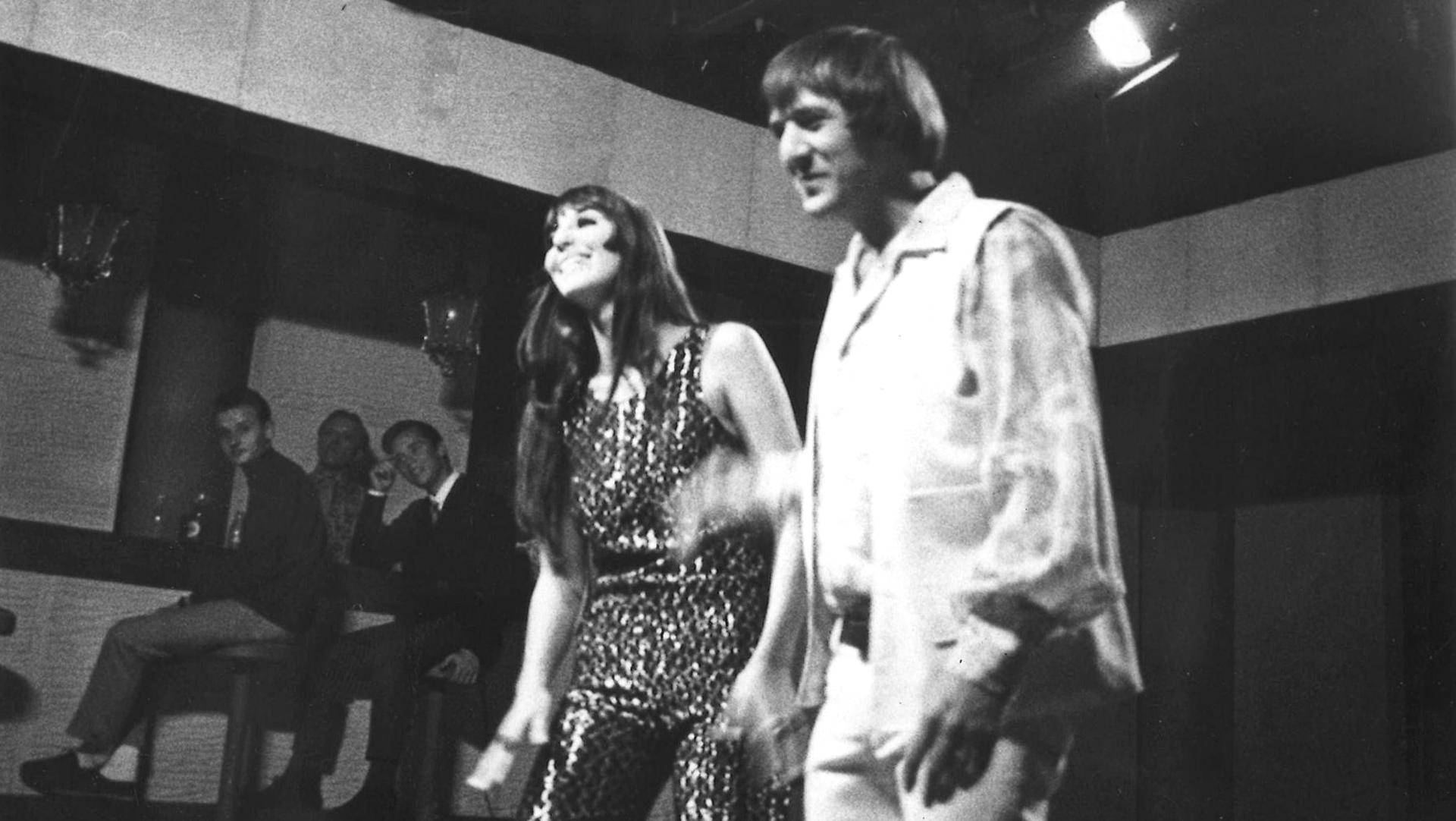 Continue reading · What happened next?They Divorced — Then Went Back on Television Together and Pretended to Be MarriedCher filed for separation in 1974, married Gregg Allman four days after her divorce was final, and then returned to CBS to co-host a variety show with her ex-husband for another two years.
That statement is why this story carries a CONFIRMED / ADMITTED badge rather than a disputed one. The perpetrator's own published account acknowledges the conduct while attempting to minimise its scale. Tina Turner's account, given in her 1986 autobiography and in every subsequent interview and documentary, is more extensive and did not change in almost forty years of retelling.
What happened next
Tina Turner became one of the highest-grossing live performers in the world, toured stadiums into her sixties, moved to Switzerland and took Swiss citizenship in 2013. She married Erwin Bach in 2013 after twenty-seven years together, published two further memoirs, and lived to see a Broadway musical of her life run in London and New York.
Ike Turner's later career included a Grammy Award in 2007 for a blues album, and a public record of drug convictions and imprisonment in the 1990s. He died in December 2007. When Tina Turner died in May 2023, the obituaries in every major paper began with Dallas, 1976 — the night she left with nothing except the two words she is still known by.
The act she was leaving
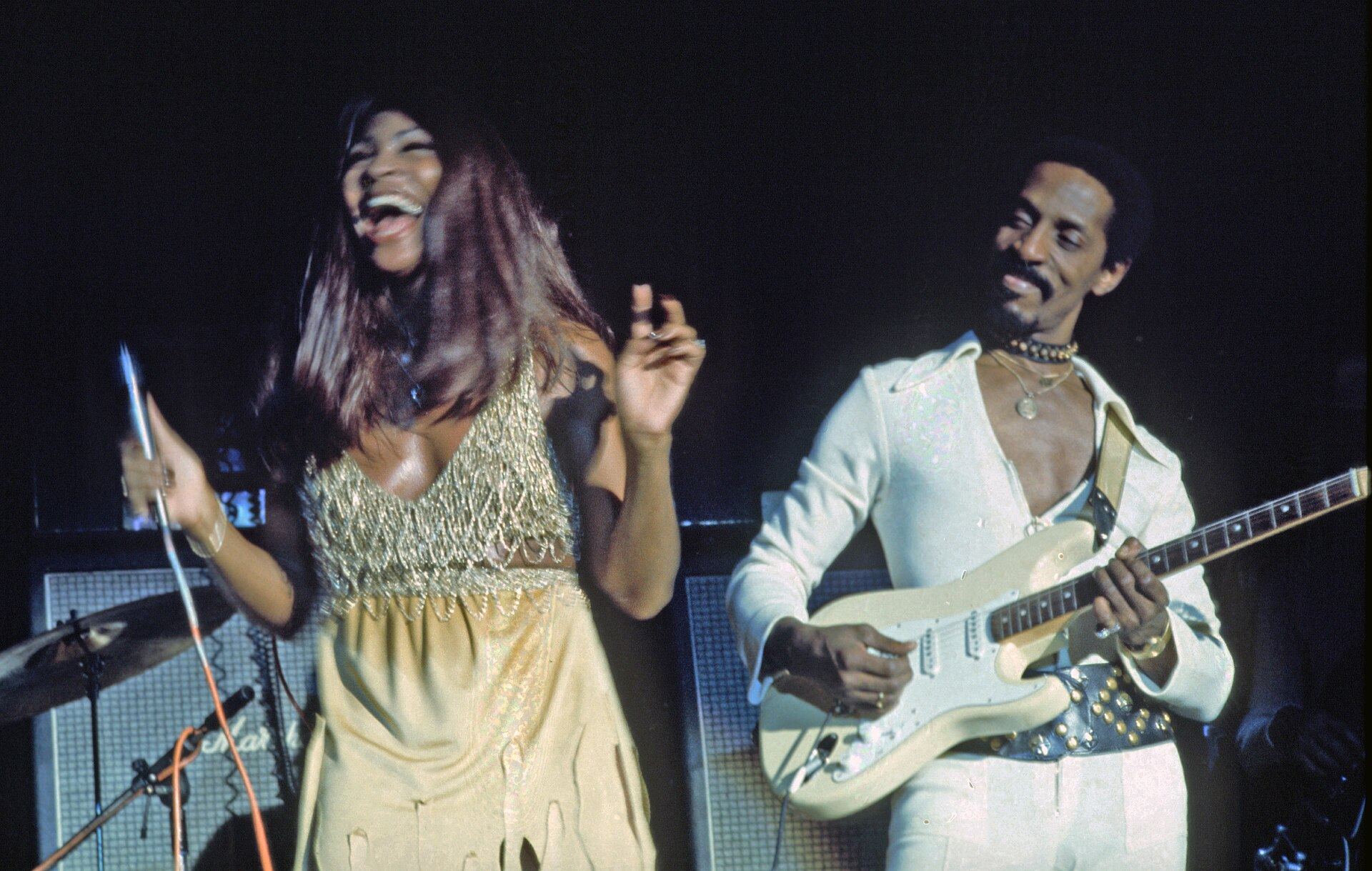
The Ike and Tina Turner Revue was, at its peak, one of the hardest-working touring operations in American music: a full band, the Ikettes, and a schedule that ran to hundreds of dates a year. Ike Turner had been a professional musician since the late 1940s — he is credited by many historians as a participant in 'Rocket 88', recorded in 1951 and frequently argued to be among the first rock and roll records — and he ran the act as a business he owned outright.
That ownership is the detail that matters legally. The band members were paid by him. The recordings were made in his studio, Bolic Sound, in Inglewood. The name of the act, the arrangements, the choreography and the contracts were his. When Tina Turner left in 1976 she was not a partner exiting a partnership; she was the featured performer walking away from a company that belonged to somebody else.
The years between 1976 and 1984
The comeback is usually told as if Private Dancer arrived from nowhere. It did not. Between the divorce and 1983 she worked cabaret rooms, hotel ballrooms and the Las Vegas circuit, singing other people's hits to small audiences, partly to discharge liabilities she had assumed for cancelled Revue dates. Her manager, Roger Davies, took her on in 1979 and spent four years rebuilding the act around rock rather than soul revue, booking her into clubs in front of audiences young enough not to remember the duo.
Capitol Records was reportedly reluctant. The album that resulted was recorded quickly and cheaply in 1984, largely in London, with British writers and session players; 'What's Love Got to Do with It' had already been turned down by other artists. It went to number one in the United States, the album sold over ten million copies, and she won three Grammy Awards in a single night at forty-five years old. There is no comparable second act in the recorded history of popular music.
Image record & sources
- Photographer
- Jack de Nijs for Anefo
- Date made
- 28 January 1971
- Collection
- Nationaal Archief (Netherlands) via Wikimedia Commons
- Licence
- CC0 1.0 (public domain dedication)
- Attribution
- Jack de Nijs / Anefo, Nationaal Archief. CC0, via Wikimedia Commons.
- File checked
- Licence page for this exact file — verified 30 August 2026
References
Continue on these topics
Tags
About the author
Forgotten Frame Editorial Desk
Editorial team
The Forgotten Frame editorial desk researches photographic archives, checks the licence of every individual file we publish, and writes the verified context around each picture.