Part ofThe Hollywood Breakup FilesWhere Are They Now?
Frank Sinatra Married Ava Gardner in 1951 and Lost Almost Everything Within a Year
A divorce in Nevada, a wedding in Philadelphia, a separation announced by a film studio, and a Mexican decree six years later. Everything else about Sinatra and Gardner is biography — this is the record.
PUBLIC RECORDCentral claim classification. Reported and disputed material is labelled in the text.
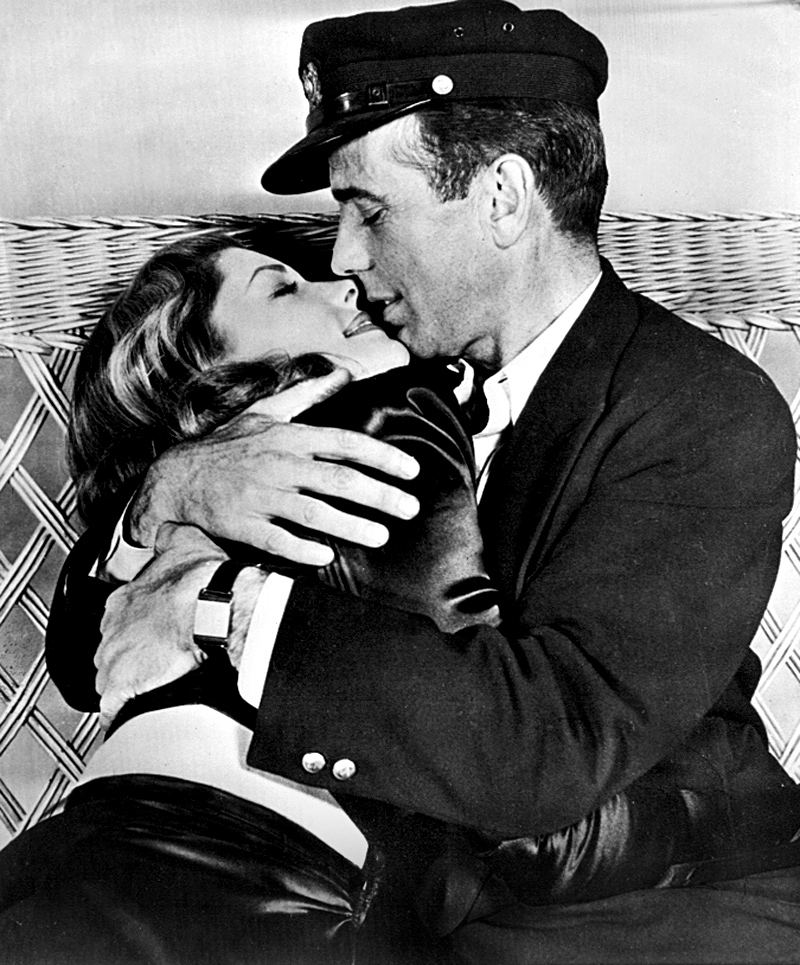
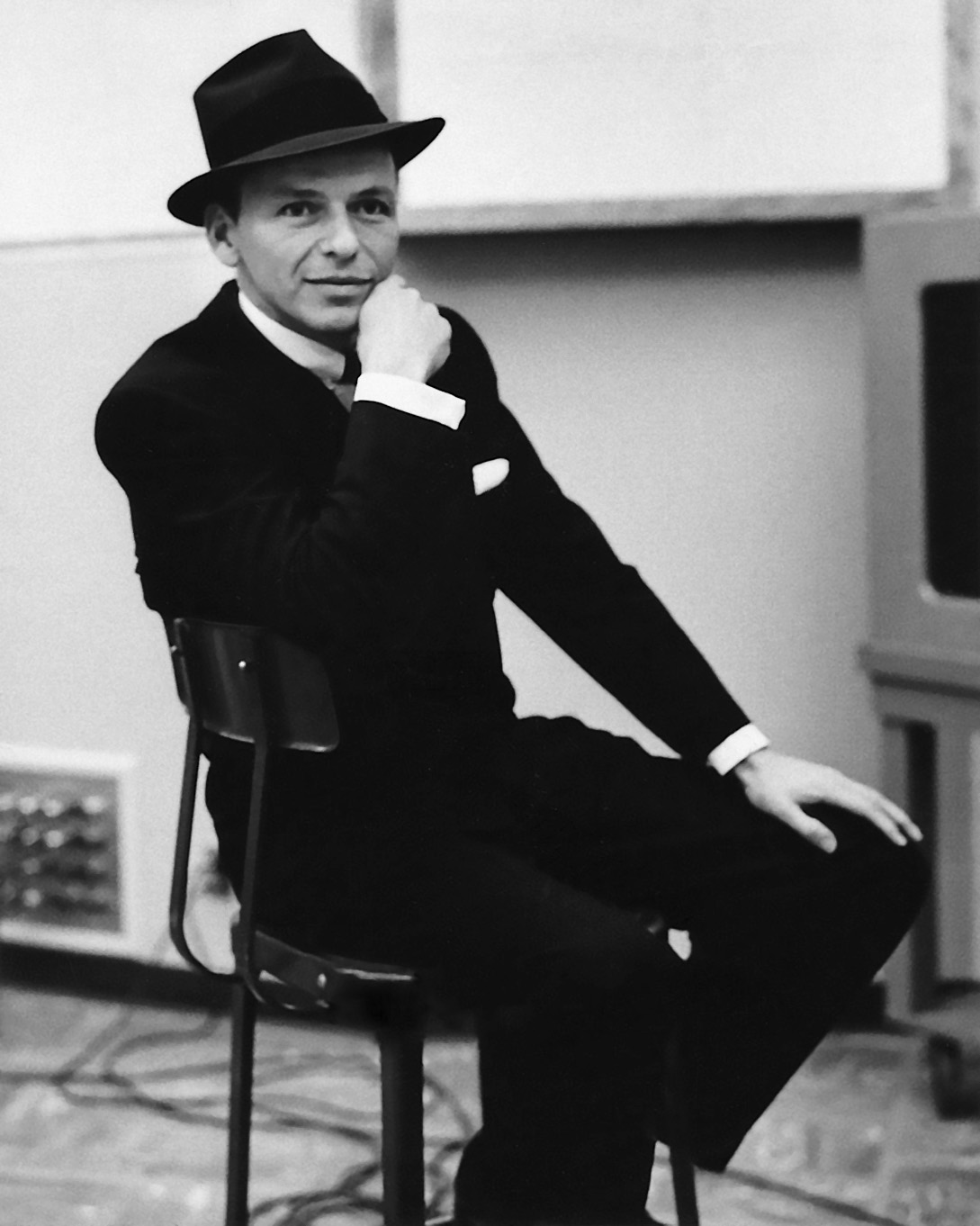
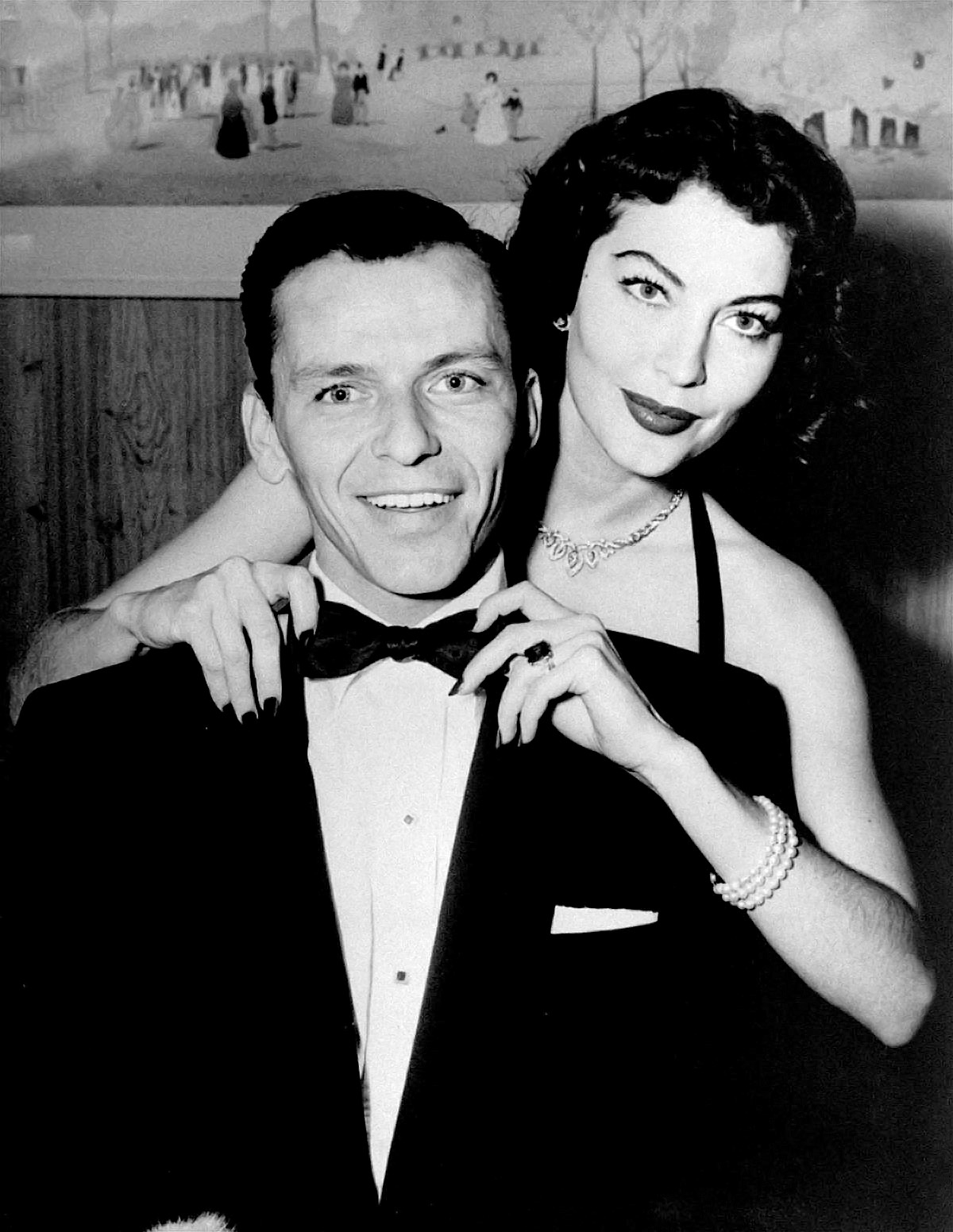 Wide World Photos (photographer uncredited) / Public domain
What the record shows
In the space of twenty-six months Frank Sinatra ended a twelve-year marriage, married one of the most photographed women in the world, lost his recording contract, lost his film agency, watched his voice fail on stage, and then won an Academy Award. The order matters, and it is almost always told wrong: the comeback did not save the marriage. By the time he collected the Oscar in March 1954, Metro-Goldwyn-Mayer had already announced the separation on Ava Gardner's behalf.
This article records only what is documented — decrees, contracts, studio announcements, award records and statements the two of them made publicly. The private motivations that filled a thousand column inches at the time are left where they belong, in the biographies.
Step by step, with dates
4 February 1939
Sinatra marries Nancy Barbato. They have three children: Nancy, Frank Jr and Tina.
1949–1950
Sinatra and Gardner are photographed together repeatedly in public. Both are contract stars — she at MGM, he in the middle of a collapsing recording career.
October 1951
Sinatra's divorce from Nancy Barbato is granted in Nevada.
7 November 1951
Sinatra and Gardner marry in Philadelphia. It is his second marriage and her third; she had previously been married to Mickey Rooney and to bandleader Artie Shaw.
1952
Columbia Records ends its contract with Sinatra. His film agency drops him in the same period. He is, at 36, professionally unemployable at his former level.
March 1953
Sinatra signs with Capitol Records, the label that will produce the arrangements with Nelson Riddle that define the rest of his career.
August 1953
From Here to Eternity opens. Sinatra had lobbied hard for the supporting role of Angelo Maggio and took a fraction of his former fee.
27 October 1953
MGM issues a statement announcing that Sinatra and Gardner have separated. The studio, not the couple, makes the announcement.
25 March 1954
Sinatra wins the Academy Award for Best Supporting Actor for From Here to Eternity.
5 July 1957
Gardner obtains a divorce in Mexico. The marriage had lasted five years and eight months on paper, and roughly two in practice.
25 January 1990
Ava Gardner dies in London, aged 67.
14 May 1998
Frank Sinatra dies in Los Angeles, aged 82.
What can be verified
- PUBLIC RECORD: the marriage took place on 7 November 1951 in Philadelphia and was dissolved by a Mexican decree obtained by Gardner in July 1957.
- PUBLIC RECORD: Sinatra's divorce from Nancy Barbato was granted in Nevada in October 1951, weeks before the second marriage.
- PUBLIC RECORD: Columbia Records ended his contract in 1952; he signed with Capitol Records in March 1953.
- PUBLIC RECORD: he won the Academy Award for Best Supporting Actor on 25 March 1954 — five months after the separation had been publicly announced.
- CONFIRMED: both spoke about the relationship on the record for the rest of their lives, and neither ever described it as a mistake.
The career collapse was real, and it is measurable
The most repeated version of this story treats Sinatra's early-1950s slump as a rumour inflated by hindsight. It was not. Between 1950 and 1952 he lost his network television show, his recording contract and his agency representation, and he was reduced to nightclub work at a scale far below the arenas he had filled as a young singer. The recovery is equally documented: the Capitol contract in March 1953, the Oscar a year later, and a run of albums — Songs for Young Lovers, In the Wee Small Hours, Songs for Swingin' Lovers! — that have since been added to the Library of Congress's National Recording Registry.
What is not documented is a causal chain. Nothing in the record establishes that the marriage caused the collapse or that the collapse caused the separation. The two ran in parallel, which is a far less satisfying sentence than the one the fan magazines printed at the time.
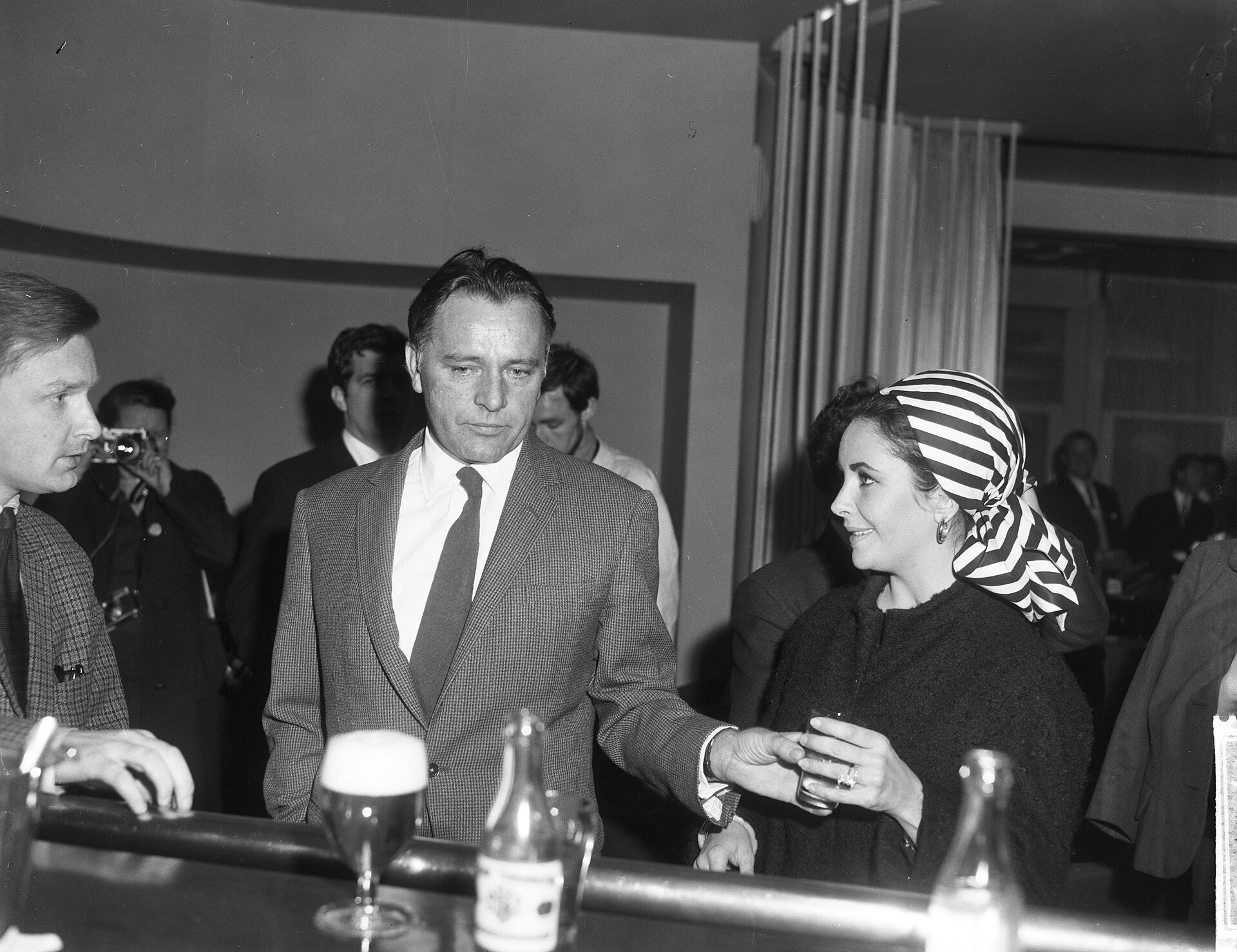 Continue reading · What happened next?Elizabeth Taylor and Richard Burton: The Love Affair That Became a Legend — What Happened Next?Their love story began on the set of Cleopatra and produced two marriages, two divorces, eleven films and a correspondence that outlived them both. Here is the documented sequence — and what happened after the second divorce.
What they told the public
“The trouble was, we were both too much alike — two high-strung people, both explosive.”
Sinatra's own public account was shorter and never varied much: he acknowledged the relationship as the central romantic fact of his life and declined to litigate it in print. Neither of them ever gave a joint interview about the marriage, and no contemporaneous document sets out an agreed reason for the split.
Still contested
Two claims circulate as fact and should not. The first is that Gardner personally intervened with Columbia Pictures to secure Sinatra the role in From Here to Eternity. It has been asserted in several biographies, denied by others, and there is no studio document in the public domain that settles it. Forgotten Frame records it as REPORTED, not confirmed. The second is that the fictional Hollywood-fixer subplot in The Godfather was modelled on that casting. Mario Puzo repeatedly denied it, Sinatra objected to the comparison publicly, and no evidence has ever been produced. It is DISPUTED, and it is not evidence of anything.
Afterwards
Gardner left the United States and settled in Spain, and later in London, where she lived until her death in 1990. She continued working — The Barefoot Contessa, The Night of the Iguana, The Life and Times of Judge Roy Bean — and gave few interviews. Sinatra married twice more, to Mia Farrow in 1966 and to Barbara Marx in 1976, and remained a working performer into the 1990s.
That the two stayed in contact for the following three decades has been described by people close to both and by Gardner herself in later interviews. The specific accounts of Sinatra covering her medical costs after her strokes in the 1980s come from biographers and associates rather than from either of them or from any document, and are recorded here as REPORTED.
What is beyond dispute is the shape of the thing. Sinatra's most celebrated recordings — the late-night, unguarded Capitol albums — were made in the years immediately after this marriage ended, and he sang that material for the next forty years. The public heard the aftermath long before it read the biographies.
Image record & sources
- Photographer
- Wide World Photos (photographer uncredited)
- Date made
- 9 December 1951
- Collection
- Wikimedia Commons
- Licence
- Public domain
- Attribution
- Wide World Photos. Public domain, via Wikimedia Commons.
- File checked
- Licence page for this exact file — verified 28 August 2026
References
- Encyclopædia Britannica — Frank Sinatra
- Encyclopædia Britannica — Ava Gardner
- Academy of Motion Picture Arts and Sciences — 26th Academy Awards winners
- Library of Congress — National Recording Registry (Sinatra Capitol recordings)
- American Film Institute Catalog — From Here to Eternity (1953)
- Wikimedia Commons — licence pages for the three photographs used here
Continue on these topics
Tags
About the author
Forgotten Frame Editorial Desk
Editorial team
The Forgotten Frame editorial desk researches photographic archives, checks the licence of every individual file we publish, and writes the verified context around each picture.